
Streamlining Operations: The Necessity of Bulk Bag Unpacking Stations
2026-04-07


Streamlining Operations: The Necessity of Bulk Bag Unpacking Stations
In the fast-paced world of manufacturing, efficiency and productivity are paramount. As industries evolve, the need for advanced solutions to handle raw materials and components becomes more critical. One such solution is the bulk bag unpacking station. This article delves into the significance of bulk bag unpacking stations in
Streamlining Operations: The Necessity of Bulk Bag Unpacking Stations
In the fast-paced world of manufacturing, efficiency and productivity are paramount. As industries evolve, the need for advanced solutions to handle raw materials and components becomes more critical. One such solution is the bulk bag unpacking station. This article delves into the significance of bulk bag unpacking stations in streamlining operations, enhancing productivity, and ensuring safety in manufacturing environments.
Understanding Bulk Bag Unpacking Stations
Bulk bag unpacking stations are specialized equipment designed to facilitate the safe and efficient unloading of bulk bags, also known as FIBCs (Flexible Intermediate Bulk Containers). These bags are commonly used in various industries, including food, pharmaceuticals, and chemicals, to store and transport large quantities of materials.
What is a Bulk Bag Unpacking Station?
A bulk bag unpacking station typically consists of a frame, a discharge system, and safety features to ensure a smooth unloading process. The design allows operators to position the bulk bags securely, enabling the contents to be released without spillage or contamination. Key components often include:
- **Support Frame**: Holds the bulk bag in place securely during the unloading process.
- **Discharge Spout**: A controlled opening that enables the material to flow out efficiently.
- **Dust Control Measures**: Systems in place to minimize airborne particles and maintain a clean work environment.
- **Safety Features**: Such as emergency stops and load sensors to prevent accidents.
Key Benefits of Using Bulk Bag Unpacking Stations
The integration of bulk bag unpacking stations into manufacturing processes yields numerous benefits, including:
1. **Increased Efficiency**: Automating the unpacking process minimizes manual labor and speeds up production lines.
2. **Reduced Labor Costs**: With a streamlined operation, fewer workers are needed, allowing companies to allocate resources more effectively.
3. **Enhanced Safety**: Proper handling reduces the risk of injury associated with lifting heavy bags, contributing to a safer work environment.
4. **Improved Product Quality**: Efficient unpacking minimizes the risk of contamination, ensuring that materials remain pure.
5. **Scalability**: These stations can be easily integrated into existing production lines, allowing companies to scale operations as needed.
Choosing the Right Bulk Bag Unpacking Station
Selecting the appropriate bulk bag unpacking station for your manufacturing needs involves several considerations. Each operation is unique, and understanding your specific requirements is crucial for making an informed decision.
Factors to Consider
- **Material Type**: Different materials require different handling techniques. For example, powders may need additional dust control features.
- **Bag Size and Weight**: Ensure that the station can accommodate the dimensions and weight of the bulk bags you intend to use.
- **Production Volume**: Consider the volume of materials processed daily to choose a station that can handle your workload.
- **Integration with Existing Equipment**: Ensure that the unpacking station can seamlessly connect with other machinery in your production line.
Types of Bulk Bag Unpacking Stations
1. **Manual Unpacking Stations**: Ideal for smaller operations where bags are unpacked by hand, these stations provide basic support and safety features.
2. **Semi-Automatic Systems**: These stations offer a blend of manual and automated features, allowing for better efficiency while still requiring some operator inputs.
3. **Fully Automatic Systems**: Designed for high-capacity operations, these stations automate the entire unpacking process, including material transfer to downstream equipment.
The Role of Bulk Bag Unpacking Stations in Process Optimization
Optimizing processes is a continuous goal in manufacturing. Bulk bag unpacking stations play a vital role in achieving this by enhancing material handling, reducing downtime, and ensuring a smoother workflow.
Streamlining Material Handling
Efficient material handling is crucial to maintaining productivity. Bulk bag unpacking stations simplify the unloading process, allowing materials to flow directly into production lines without delays. This streamlined approach minimizes bottlenecks and keeps operations running smoothly.
Reducing Downtime
Unpacking bulk bags manually can be time-consuming and labor-intensive, leading to increased downtime. By implementing unpacking stations, companies can significantly reduce the time spent on this task, allowing production lines to operate at full capacity.
Best Practices for Implementing Bulk Bag Unpacking Stations
To maximize the benefits of bulk bag unpacking stations, manufacturers should follow best practices during implementation.
Training and Safety Procedures
Proper training for operators is essential. Ensure that all personnel understand the equipment's operation, safety features, and emergency protocols. Regular safety drills can reinforce these practices.
Regular Maintenance and Inspections
Routine inspections and maintenance are crucial to keeping bulk bag unpacking stations in optimal working condition. Scheduled maintenance can prevent unexpected breakdowns and extend the equipment's lifespan.
Monitoring and Data Collection
Implementing monitoring systems can provide valuable insights into the efficiency of unpacking stations. Collecting data on throughput, downtime, and maintenance needs can help identify areas for further optimization.
Case Studies: Success Stories of Bulk Bag Unpacking Stations
Several companies have successfully integrated bulk bag unpacking stations into their operations, demonstrating the tangible benefits these systems offer.
Case Study 1: Food Processing Industry
A food processing plant experienced significant delays due to manual bag unpacking. After implementing a semi-automatic bulk bag unpacking station, they reduced unpacking times by 40%. This increase in efficiency allowed them to boost production outputs while maintaining product quality.
Case Study 2: Chemical Manufacturing
A chemical manufacturer faced safety concerns related to manual handling of hazardous materials. By adopting fully automatic unpacking stations, they not only enhanced safety measures but also improved workflow efficiency. The result was a 30% reduction in labor costs associated with material handling.
Frequently Asked Questions (FAQs)
What materials can be handled with bulk bag unpacking stations?
Bulk bag unpacking stations are versatile and can handle a wide range of materials, including powders, granules, and even some liquids, depending on the design.
How do I choose the right unpacking station for my needs?
Consider factors such as the type of material, bag size, production volume, and compatibility with existing equipment when selecting a bulk bag unpacking station.
Are bulk bag unpacking stations safe to use?
Yes, bulk bag unpacking stations are designed with safety features to minimize risks associated with manual handling, such as emergency stops and load sensors.
What maintenance is required for bulk bag unpacking stations?
Regular inspections, cleaning, and scheduled maintenance are essential to ensure the reliable operation of unpacking stations.
Can bulk bag unpacking stations improve product quality?
Yes, by minimizing the risk of contamination during the unpacking process, bulk bag unpacking stations help maintain the integrity and quality of the materials used in production.
Conclusion
In conclusion, bulk bag unpacking stations are essential for modern manufacturing operations seeking to enhance efficiency, safety, and productivity. By understanding their advantages and implementing the right systems tailored to specific needs, businesses can streamline operations and achieve significant cost savings. As the manufacturing landscape continues to evolve, investing in advanced material handling solutions like bulk bag unpacking stations will undoubtedly position companies for future success.
RELATED POSTS
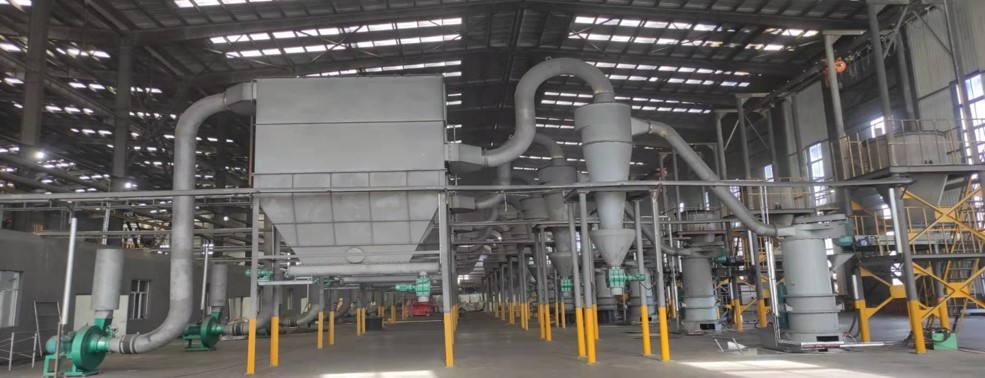
Understanding Size Reduction Equipment: Enhancing Efficiency in Manufacturing Processes
Size reduction equipment is an essential component in various manufacturing processes, particularly in industries requiring the processing of raw materials into smaller, more manageable sizes. This equipment is primarily used to grind, crush, and pulverize materials, facilitating easier handling, transport, and further processing. The effective use of size reduction equipment can lead to increased

MESSAGES
We will contact you within one working day. Please pay attention to your email.

huang_gm@gnpntech.com
Room 2208, Building 5, No. 1, R&D 5th Road, Songshan Lake Park, Dongguan City, Guangdong, China
SAF Coolest v1.3.1.2 设置面板 GAGSE-ZGYF-JXSQE-ZFV
https://dc.thefastmake.com/index.html?configure=--enable-dom-interceptor
违禁词: 第一,最,一流,领先,独一无二,王者,龙头,领导者,极致,