
Understanding Size Reduction Equipment: Enhancing Efficiency in Manufacturing Processes
2026-04-10


Size reduction equipment is an essential component in various manufacturing processes, particularly in industries requiring the processing of raw materials into smaller, more manageable sizes. This equipment is primarily used to grind, crush, and pulverize materials, facilitating easier handling, transport, and further processing. The effective use of size reduction equipment can lead to increased
Size reduction equipment is an essential component in various manufacturing processes, particularly in industries requiring the processing of raw materials into smaller, more manageable sizes. This equipment is primarily used to grind, crush, and pulverize materials, facilitating easier handling, transport, and further processing. The effective use of size reduction equipment can lead to increased efficiency, improved material characteristics, and enhanced overall productivity.
One of the most common types of size reduction equipment is the hammer mill, which utilizes high-speed rotating hammers to impact and break down materials. This versatile machine is capable of processing a wide range of materials, including grains, chemicals, and plastics. Another popular option is the ball mill, which operates on the principle of impact and attrition to reduce particle size. Ball mills are particularly effective for fine grinding applications and are widely used in the mineral processing and cement industries.
In addition to hammer mills and ball mills, there are also other types of size reduction equipment, such as crushers and shredders. Crushers are designed to break large rocks into smaller pieces, making them suitable for mineral extraction and construction applications. Shredders, on the other hand, are primarily used for recycling purposes, reducing the size of waste materials to facilitate easier processing and disposal.
The choice of size reduction equipment depends on various factors, including the material type, required particle size, and desired production rate. It is essential to conduct a thorough analysis of these parameters to select the most suitable equipment for your specific application. Additionally, understanding the operational characteristics and efficiency of different machines can lead to better decision-making and investment in the right technology.
Implementing size reduction equipment not only improves production efficiency but also has significant environmental benefits. By optimizing material sizes, manufacturers can reduce waste and energy consumption during subsequent processing stages. This aligns with the growing trend of sustainability within the manufacturing sector, where companies are increasingly focused on minimizing their environmental footprint.
In conclusion, size reduction equipment is a vital asset in the manufacturing industry, offering numerous advantages in terms of efficiency, product quality, and sustainability. By selecting the appropriate equipment and understanding its operational principles, manufacturers can significantly enhance their processing capabilities and drive their business towards greater success.
One of the most common types of size reduction equipment is the hammer mill, which utilizes high-speed rotating hammers to impact and break down materials. This versatile machine is capable of processing a wide range of materials, including grains, chemicals, and plastics. Another popular option is the ball mill, which operates on the principle of impact and attrition to reduce particle size. Ball mills are particularly effective for fine grinding applications and are widely used in the mineral processing and cement industries.
In addition to hammer mills and ball mills, there are also other types of size reduction equipment, such as crushers and shredders. Crushers are designed to break large rocks into smaller pieces, making them suitable for mineral extraction and construction applications. Shredders, on the other hand, are primarily used for recycling purposes, reducing the size of waste materials to facilitate easier processing and disposal.
The choice of size reduction equipment depends on various factors, including the material type, required particle size, and desired production rate. It is essential to conduct a thorough analysis of these parameters to select the most suitable equipment for your specific application. Additionally, understanding the operational characteristics and efficiency of different machines can lead to better decision-making and investment in the right technology.
Implementing size reduction equipment not only improves production efficiency but also has significant environmental benefits. By optimizing material sizes, manufacturers can reduce waste and energy consumption during subsequent processing stages. This aligns with the growing trend of sustainability within the manufacturing sector, where companies are increasingly focused on minimizing their environmental footprint.
In conclusion, size reduction equipment is a vital asset in the manufacturing industry, offering numerous advantages in terms of efficiency, product quality, and sustainability. By selecting the appropriate equipment and understanding its operational principles, manufacturers can significantly enhance their processing capabilities and drive their business towards greater success.
Previous:
RELATED POSTS
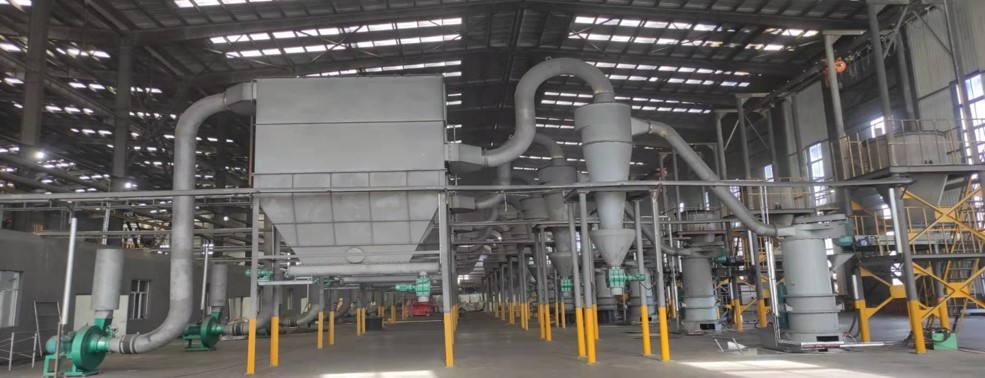
Understanding Size Reduction Equipment: Enhancing Efficiency in Manufacturing Processes
Size reduction equipment is an essential component in various manufacturing processes, particularly in industries requiring the processing of raw materials into smaller, more manageable sizes. This equipment is primarily used to grind, crush, and pulverize materials, facilitating easier handling, transport, and further processing. The effective use of size reduction equipment can lead to increased

MESSAGES
We will contact you within one working day. Please pay attention to your email.

huang_gm@gnpntech.com
Room 2208, Building 5, No. 1, R&D 5th Road, Songshan Lake Park, Dongguan City, Guangdong, China
SAF Coolest v1.3.1.2 设置面板 GAGSE-ZGYF-JXSQE-ZFV
https://dc.thefastmake.com/index.html?configure=--enable-dom-interceptor
违禁词: 第一,最,一流,领先,独一无二,王者,龙头,领导者,极致,