
Understanding VC Mixers: Key Insights for Manufacturing and Processing
2026-04-06


---
VC mixers, or vortex mixers, are an integral part of the manufacturing and processing sector, particularly in applications where consistent mixing of materials is essential. These mixers utilize a unique vortex motion to create a turbulent mixing environment, allowing for the thorough blending of various components. This article explores the functionality, types, and benefits of VC mixers, pro
---
VC mixers, or vortex mixers, are an integral part of the manufacturing and processing sector, particularly in applications where consistent mixing of materials is essential. These mixers utilize a unique vortex motion to create a turbulent mixing environment, allowing for the thorough blending of various components. This article explores the functionality, types, and benefits of VC mixers, providing valuable insights for professionals in the manufacturing and processing machinery industry.
One of the primary advantages of VC mixers is their ability to mix a wide range of materials, including liquids, powders, and granules. The design of a VC mixer typically includes a high-speed motor that generates a vortex, effectively drawing materials into the center and promoting even mixing. This feature is particularly beneficial in industries where precise formulation is critical, such as pharmaceuticals, food processing, and chemical manufacturing.
Furthermore, VC mixers are known for their efficiency. They can significantly reduce the time needed for blending materials, which in turn enhances overall productivity. Unlike traditional mixers that may require longer mixing times or multiple passes to achieve uniformity, VC mixers streamline the process, allowing for faster turnaround times in production cycles.
In terms of versatility, VC mixers come in various designs and sizes, making them suitable for small-scale laboratory applications as well as large-scale industrial operations. Some models are portable, allowing for easy transport between different production areas, while others are designed for stationary setups that can handle larger batches of material. This adaptability makes VC mixers a valuable asset in diverse manufacturing environments.
Additionally, the ease of use and maintenance of VC mixers contributes to their popularity. Many units feature simple controls that allow operators to adjust speed settings and mixing durations with ease. This user-friendly approach minimizes the training time required for new operators, ensuring that production can continue smoothly without significant downtime.
Moreover, the construction materials of VC mixers are often engineered to withstand harsh conditions, extending their lifespan and ensuring reliable performance. This durability is crucial for manufacturing operations where equipment is subjected to wear and tear.
In summary, VC mixers represent a pivotal component in the manufacturing and processing industry, offering efficient, versatile, and reliable mixing solutions. Their ability to enhance productivity, coupled with their user-friendly design, makes them an excellent choice for businesses looking to optimize their mixing processes. By understanding the capabilities and features of VC mixers, manufacturers can make informed decisions that contribute to improved operational efficiency and product quality.
VC mixers, or vortex mixers, are an integral part of the manufacturing and processing sector, particularly in applications where consistent mixing of materials is essential. These mixers utilize a unique vortex motion to create a turbulent mixing environment, allowing for the thorough blending of various components. This article explores the functionality, types, and benefits of VC mixers, providing valuable insights for professionals in the manufacturing and processing machinery industry.
One of the primary advantages of VC mixers is their ability to mix a wide range of materials, including liquids, powders, and granules. The design of a VC mixer typically includes a high-speed motor that generates a vortex, effectively drawing materials into the center and promoting even mixing. This feature is particularly beneficial in industries where precise formulation is critical, such as pharmaceuticals, food processing, and chemical manufacturing.
Furthermore, VC mixers are known for their efficiency. They can significantly reduce the time needed for blending materials, which in turn enhances overall productivity. Unlike traditional mixers that may require longer mixing times or multiple passes to achieve uniformity, VC mixers streamline the process, allowing for faster turnaround times in production cycles.
In terms of versatility, VC mixers come in various designs and sizes, making them suitable for small-scale laboratory applications as well as large-scale industrial operations. Some models are portable, allowing for easy transport between different production areas, while others are designed for stationary setups that can handle larger batches of material. This adaptability makes VC mixers a valuable asset in diverse manufacturing environments.
Additionally, the ease of use and maintenance of VC mixers contributes to their popularity. Many units feature simple controls that allow operators to adjust speed settings and mixing durations with ease. This user-friendly approach minimizes the training time required for new operators, ensuring that production can continue smoothly without significant downtime.
Moreover, the construction materials of VC mixers are often engineered to withstand harsh conditions, extending their lifespan and ensuring reliable performance. This durability is crucial for manufacturing operations where equipment is subjected to wear and tear.
In summary, VC mixers represent a pivotal component in the manufacturing and processing industry, offering efficient, versatile, and reliable mixing solutions. Their ability to enhance productivity, coupled with their user-friendly design, makes them an excellent choice for businesses looking to optimize their mixing processes. By understanding the capabilities and features of VC mixers, manufacturers can make informed decisions that contribute to improved operational efficiency and product quality.
RELATED POSTS
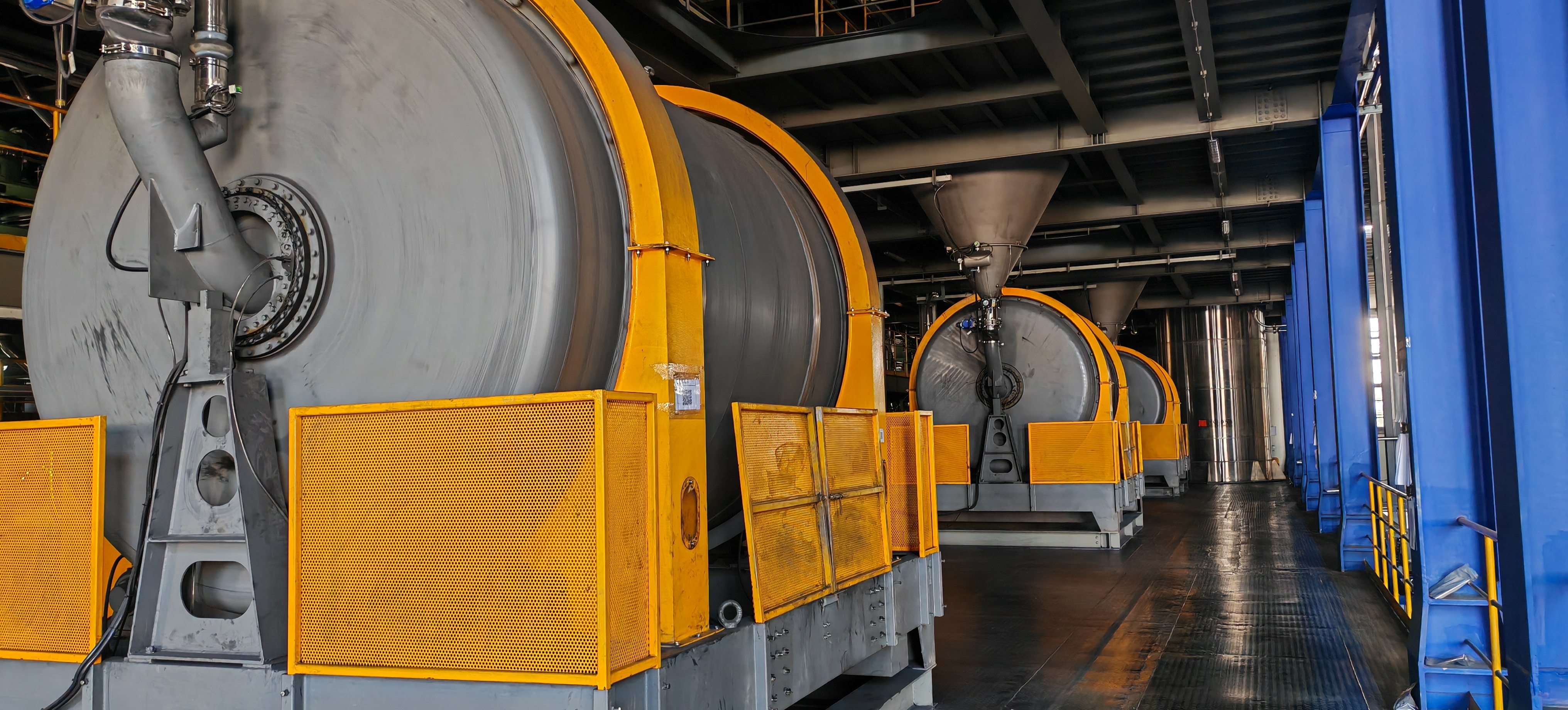
Understanding VC Mixers: Key Insights for Manufacturing and Processing
---
VC mixers, or vortex mixers, are an integral part of the manufacturing and processing sector, particularly in applications where consistent mixing of materials is essential. These mixers utilize a unique vortex motion to create a turbulent mixing environment, allowing for the thorough blending of various components. This article explores the functionality, types, and benefits of VC mixers, pro

MESSAGES
We will contact you within one working day. Please pay attention to your email.

huang_gm@gnpntech.com
Room 2208, Building 5, No. 1, R&D 5th Road, Songshan Lake Park, Dongguan City, Guangdong, China
SAF Coolest v1.3.1.2 设置面板 GAGSE-ZGYF-JXSQE-ZFV
https://dc.thefastmake.com/index.html?configure=--enable-dom-interceptor
违禁词: 第一,最,一流,领先,独一无二,王者,龙头,领导者,极致,