
Step-by-Step Guide to Implementing Auxiliary Systems in Battery Lines
2026-04-05


Step-by-Step Guide to Implementing Auxiliary Systems in Battery Lines
Introduction to Auxiliary Systems in Battery Manufacturing
The world of battery manufacturing is continually evolving, driven by technological advancements and increased demand for energy storage solutions. As manufacturers seek to optimize production processes, the implementation of auxiliary systems has become a crucial focus.
Step-by-Step Guide to Implementing Auxiliary Systems in Battery Lines
Introduction to Auxiliary Systems in Battery Manufacturing
The world of battery manufacturing is continually evolving, driven by technological advancements and increased demand for energy storage solutions. As manufacturers seek to optimize production processes, the implementation of auxiliary systems has become a crucial focus. These systems play a vital role in enhancing efficiency, ensuring quality, and reducing operational costs. In this guide, we will explore the step-by-step process of implementing auxiliary systems in battery lines, providing insights that will help manufacturers navigate this complex landscape.
Understanding Auxiliary Systems in Battery Lines
What Are Auxiliary Systems?
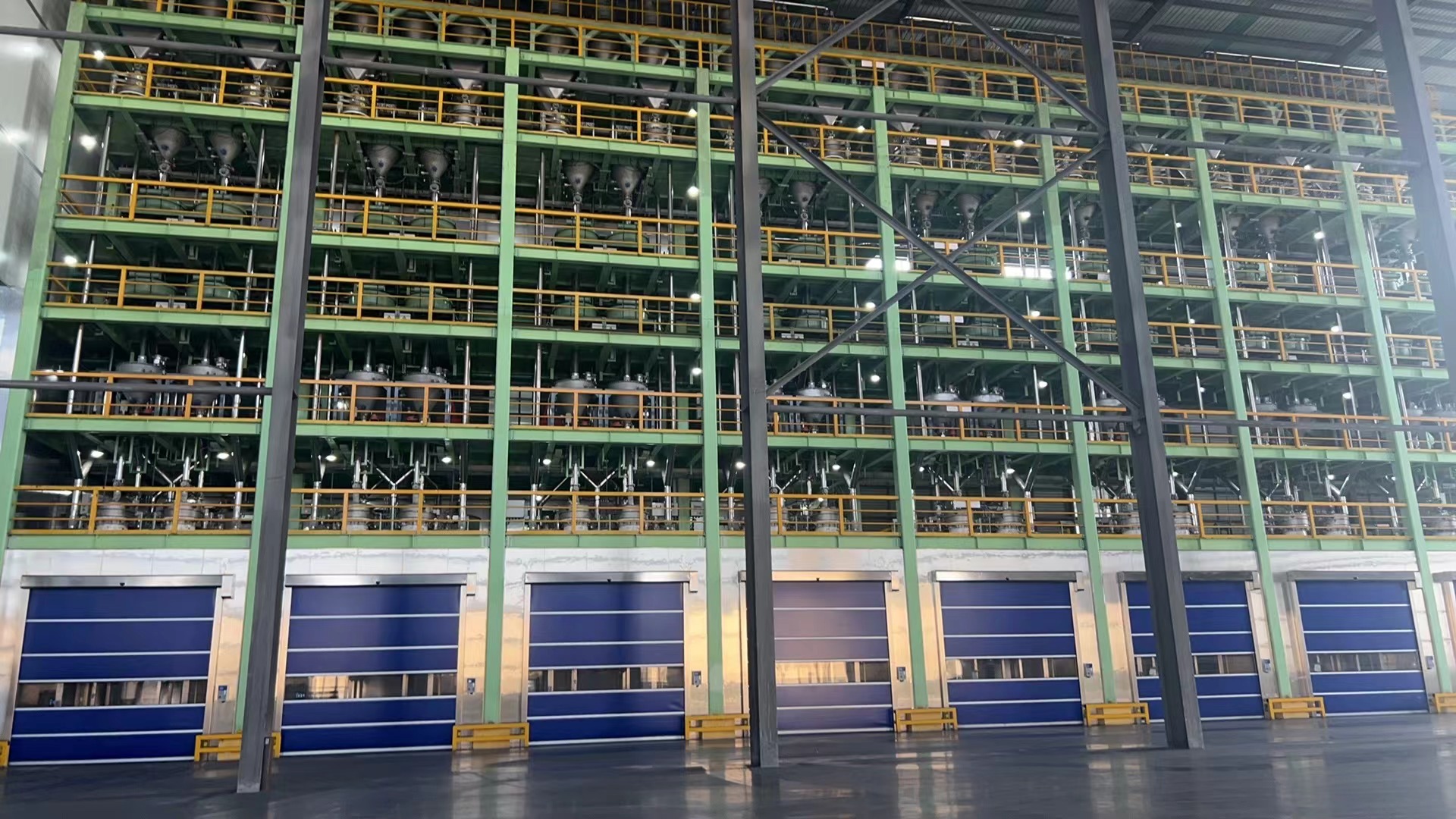
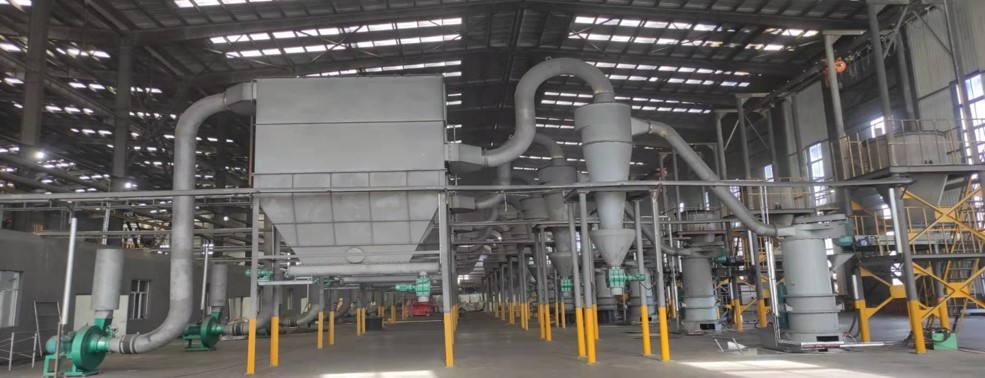
Auxiliary systems refer to the supportive components and technologies that enhance the efficiency and functionality of the primary manufacturing processes. In the context of battery lines, these systems can include material handling equipment, quality control mechanisms, energy management systems, and automation technologies. By integrating auxiliary systems, manufacturers can streamline operations and improve overall productivity.
The Importance of Implementing Auxiliary Systems
The implementation of auxiliary systems in battery lines is paramount for several reasons:
1. **Increased Efficiency**: Automated systems reduce manual intervention, speeding up production times and minimizing errors.
2. **Quality Assurance**: Enhanced monitoring and control mechanisms help maintain consistent product quality.
3. **Cost Reduction**: Streamlined processes lead to reduced waste and lower operational costs.
4. **Scalability**: Auxiliary systems allow for easier scalability of production as demand increases.
The Step-by-Step Process for Implementing Auxiliary Systems
Step 1: Assessing Current Manufacturing Processes
The first step in implementing auxiliary systems is to conduct a thorough assessment of your current manufacturing processes. This evaluation should include:
- Identifying bottlenecks in production.
- Analyzing workflow efficiency.
- Evaluating the performance of existing equipment.
This step will provide insight into the areas where auxiliary systems can offer the most significant impact.
Step 2: Defining Objectives and Specifications
Once the assessment is complete, the next step is to define clear objectives and specifications for the auxiliary systems you plan to implement. Consider the following:
- What specific challenges are you aiming to address?
- What are the desired outcomes, such as improved output, reduced defects, or lower costs?
- What technical specifications are necessary for compatibility with existing systems?
By establishing clear goals, you can ensure a more focused and effective implementation process.
Step 3: Choosing the Right Auxiliary Systems
With your objectives defined, it's time to choose the right auxiliary systems. Here are some common types to consider:
- **Material Handling Systems**: Automated guided vehicles (AGVs) and conveyor belts can streamline the transport of materials throughout the production line.
- **Quality Control Systems**: Implementing sensors and inspection systems to monitor product quality in real-time can significantly reduce defects.
- **Energy Management Systems**: These systems help optimize energy consumption, reducing costs and improving sustainability.
- **Automation Technologies**: Robotics and automated machinery can enhance precision and speed in manufacturing processes.
Select the systems that best align with your goals and current capabilities.
Step 4: Developing an Implementation Plan
An effective implementation plan is crucial for a successful auxiliary system integration. Consider the following components in your plan:
- **Timeline**: Establish a realistic timeline for the project, including key milestones.
- **Budget**: Create a detailed budget that accounts for all associated costs, including equipment, installation, and training.
- **Resources**: Identify the personnel and resources required for implementation, including any external vendors or consultants.
Having a robust plan will keep your project on track and ensure that all stakeholders are aligned.
Step 5: Training Personnel
Training is a vital aspect of implementing auxiliary systems. Ensure that all relevant personnel are adequately trained on the new systems. Training should include:
- Familiarization with new equipment and technologies.
- Safety protocols associated with the auxiliary systems.
- Troubleshooting and maintenance procedures.
Investing in thorough training will empower your team and ensure smoother operations post-implementation.
Step 6: Installation and Testing
With all preparations in place, it’s time to install the auxiliary systems. This phase involves:
- Coordinating installations with minimal disruption to ongoing operations.
- Conducting thorough testing of the systems to ensure they function as intended.
- Making necessary adjustments based on testing outcomes.
It is crucial to document this process for future reference and continuous improvement.
Step 7: Monitoring and Optimization
After installation, ongoing monitoring is essential to assess the performance of the newly implemented auxiliary systems. Key activities include:
- Collecting data on system performance and production metrics.
- Identifying areas for further improvement or adjustment.
- Gathering feedback from personnel to refine processes.
Continuous optimization will help maintain efficiency and adapt to any changes in production demands.
Common Challenges and Solutions
Identifying Resistance to Change
One common challenge in implementing auxiliary systems is resistance to change from employees. To mitigate this, involve your team throughout the process, emphasizing the benefits of the new systems and how they can enhance their work environment.
Budget Constraints
Budget constraints can limit your options when selecting auxiliary systems. To overcome this, prioritize critical systems that address your most significant challenges and explore leasing options or phased implementation to spread costs over time.
Integration Issues
Integrating new systems with existing processes can be complex. To ease this challenge, conduct thorough compatibility assessments during the planning phase and consider consulting with integration specialists.
FAQs about Implementing Auxiliary Systems in Battery Lines
1. What are the primary benefits of auxiliary systems in battery manufacturing?
Auxiliary systems enhance efficiency, improve product quality, reduce operational costs, and allow for easier scalability in production.
2. How do I determine the right auxiliary systems for my battery line?
Assess your current manufacturing processes to identify bottlenecks and challenges, then define clear objectives to select systems that best align with those needs.
3. What training is required for personnel when implementing new systems?
Training should cover equipment operation, safety protocols, and troubleshooting to ensure staff are well-prepared to utilize new systems effectively.
4. How can I measure the success of implemented auxiliary systems?
Monitor key performance indicators (KPIs) related to production efficiency, quality metrics, and operational costs to gauge the success of the auxiliary systems.
5. What should I do if I encounter issues with the new systems post-implementation?
Regular monitoring and feedback collection are crucial. Address any issues promptly and adjust processes as needed to optimize performance.
Conclusion
Implementing auxiliary systems in battery lines is a strategic move that can significantly enhance manufacturing efficiency and product quality. By following the outlined steps — from assessing current processes to ongoing monitoring and optimization — manufacturers can successfully integrate these systems into their operations. The benefits are clear: improved productivity, reduced costs, and a more streamlined manufacturing process. Embracing these advancements will position your operations for future growth and success in the competitive landscape of battery manufacturing.
RELATED POSTS
Step-by-Step Guide to Implementing Auxiliary Systems in Battery Lines
Step-by-Step Guide to Implementing Auxiliary Systems in Battery Lines
Introduction to Auxiliary Systems in Battery Manufacturing
The world of battery manufacturing is continually evolving, driven by technological advancements and increased demand for energy storage solutions. As manufacturers seek to optimize production processes, the implementation of auxiliary systems has become a crucial focus.

MESSAGES
We will contact you within one working day. Please pay attention to your email.

huang_gm@gnpntech.com
Room 2208, Building 5, No. 1, R&D 5th Road, Songshan Lake Park, Dongguan City, Guangdong, China
SAF Coolest v1.3.1.2 设置面板 GAGSE-ZGYF-JXSQE-ZFV
https://dc.thefastmake.com/index.html?configure=--enable-dom-interceptor
违禁词: 第一,最,一流,领先,独一无二,王者,龙头,领导者,极致,