
Understanding Size Reduction Equipment: A Key Component in Manufacturing Processing
2026-04-04


Size reduction equipment is vital in numerous manufacturing and processing applications, where the goal is to reduce the size of raw materials or finished products. This equipment is commonly used in industries such as mining, pharmaceuticals, food processing, and recycling. The main objective of employing size reduction equipment is to enhance the material’s processability, improve product qualit
Size reduction equipment is vital in numerous manufacturing and processing applications, where the goal is to reduce the size of raw materials or finished products. This equipment is commonly used in industries such as mining, pharmaceuticals, food processing, and recycling. The main objective of employing size reduction equipment is to enhance the material’s processability, improve product quality, and promote efficient handling and storage.
There are several types of size reduction equipment, each designed for specific applications. The primary categories include crushers, grinders, and mills. Crushers are typically used for breaking down larger materials into smaller pieces. They can handle hard materials like rocks and ores. Grinders, on the other hand, are used to reduce materials to finer particle sizes. They are often employed in applications involving softer materials such as grains or plastics. Mills can achieve an even finer reduction and are often used in the production of powdery substances.
The functioning of size reduction equipment relies on various mechanisms, including impact, shear, and compression. For instance, impact mills utilize high-speed rotating hammers to crush materials, while shear mills employ sharp blades to slice through components. Compression methods involve applying pressure to compact materials, which can be essential in manufacturing processes that require dense, uniform products.
Selecting the appropriate size reduction equipment involves considering several factors, including the type of material being processed, the desired particle size, and the specific application requirements. It is also vital to evaluate the operational efficiency and maintenance needs of the equipment to ensure optimal performance.
In addition to mechanical features, technological advancements have led to innovations in size reduction equipment, improving energy efficiency and reducing waste. Modern machines often come equipped with advanced control systems that allow for precise adjustments to the size reduction process, ensuring consistency and quality in production.
For manufacturers looking to enhance their processing capabilities, investing in appropriate size reduction equipment can lead to significant improvements in operational efficiency and product quality. Understanding the various types of size reduction equipment available and their specific applications can empower professionals to make informed decisions that align with their production goals.
In conclusion, size reduction equipment is a fundamental aspect of manufacturing processing. By understanding the different types of equipment and their functions, professionals can optimize their production processes, ultimately leading to better quality products and more efficient operations. As industries continue to evolve, staying informed about advancements in size reduction technology will be key to maintaining a competitive edge.
There are several types of size reduction equipment, each designed for specific applications. The primary categories include crushers, grinders, and mills. Crushers are typically used for breaking down larger materials into smaller pieces. They can handle hard materials like rocks and ores. Grinders, on the other hand, are used to reduce materials to finer particle sizes. They are often employed in applications involving softer materials such as grains or plastics. Mills can achieve an even finer reduction and are often used in the production of powdery substances.
The functioning of size reduction equipment relies on various mechanisms, including impact, shear, and compression. For instance, impact mills utilize high-speed rotating hammers to crush materials, while shear mills employ sharp blades to slice through components. Compression methods involve applying pressure to compact materials, which can be essential in manufacturing processes that require dense, uniform products.
Selecting the appropriate size reduction equipment involves considering several factors, including the type of material being processed, the desired particle size, and the specific application requirements. It is also vital to evaluate the operational efficiency and maintenance needs of the equipment to ensure optimal performance.
In addition to mechanical features, technological advancements have led to innovations in size reduction equipment, improving energy efficiency and reducing waste. Modern machines often come equipped with advanced control systems that allow for precise adjustments to the size reduction process, ensuring consistency and quality in production.
For manufacturers looking to enhance their processing capabilities, investing in appropriate size reduction equipment can lead to significant improvements in operational efficiency and product quality. Understanding the various types of size reduction equipment available and their specific applications can empower professionals to make informed decisions that align with their production goals.
In conclusion, size reduction equipment is a fundamental aspect of manufacturing processing. By understanding the different types of equipment and their functions, professionals can optimize their production processes, ultimately leading to better quality products and more efficient operations. As industries continue to evolve, staying informed about advancements in size reduction technology will be key to maintaining a competitive edge.
RELATED POSTS
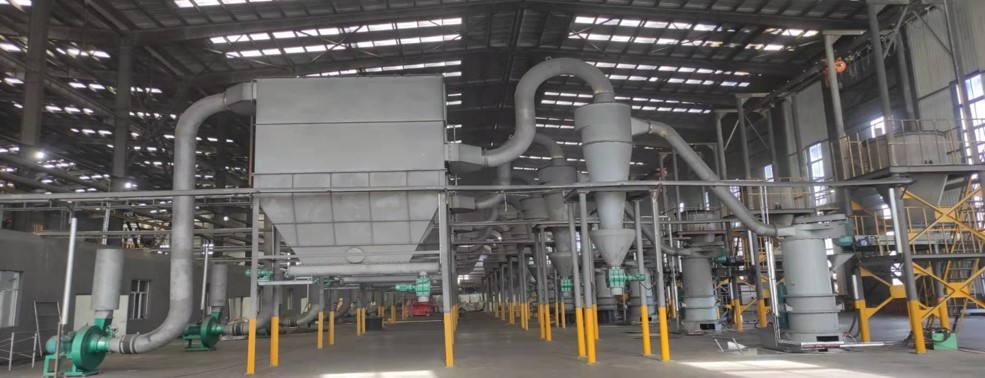
Understanding Size Reduction Equipment: A Key Component in Manufacturing Processing
Size reduction equipment is vital in numerous manufacturing and processing applications, where the goal is to reduce the size of raw materials or finished products. This equipment is commonly used in industries such as mining, pharmaceuticals, food processing, and recycling. The main objective of employing size reduction equipment is to enhance the material’s processability, improve product qualit

MESSAGES
We will contact you within one working day. Please pay attention to your email.

huang_gm@gnpntech.com
Room 2208, Building 5, No. 1, R&D 5th Road, Songshan Lake Park, Dongguan City, Guangdong, China
SAF Coolest v1.3.1.2 设置面板 GAGSE-ZGYF-JXSQE-ZFV
https://dc.thefastmake.com/index.html?configure=--enable-dom-interceptor
违禁词: 第一,最,一流,领先,独一无二,王者,龙头,领导者,极致,