
Auxiliary Systems Explained: Boosting Performance in Battery Production
2026-03-12


Auxiliary Systems Explained: Boosting Performance in Battery Production
In the rapidly evolving world of battery production, efficiency and performance are paramount. Auxiliary systems play a crucial role in enhancing the overall functionality of production lines, ensuring that manufacturers can meet the growing demand for high-quality batteries. This article explores the various auxiliary systems utilized in battery manufacturing and how they contribute to improved performance.
Table of Contents
- Introduction to Auxiliary Systems in Battery Production
- The Importance of Auxiliary Systems
- Types of Auxiliary Systems in Battery Manufacturing
- Automated Handling Systems
- Temperature Control Systems
- Quality Assurance and Testing Systems
- Energy Management Systems
- Safety Systems in Battery Production
- Conclusion
- Frequently Asked Questions
Introduction to Auxiliary Systems in Battery Production
As the demand for batteries continues to surge, particularly in electric vehicles and renewable energy storage, the need for efficient manufacturing processes has never been greater. **Auxiliary systems** are essential components that support the primary manufacturing operations, enabling higher productivity and enhanced quality. In this article, we will explore the various types of auxiliary systems that are instrumental in optimizing battery production.
The Importance of Auxiliary Systems
Auxiliary systems are not merely supportive; they are vital for the seamless operation of battery production facilities. These systems ensure that manufacturing processes run smoothly, allowing for:
- **Increased Production Efficiency**: By automating repetitive tasks and optimizing workflows.
- **Enhanced Quality Control**: Implementing real-time monitoring and testing systems to maintain product standards.
- **Improved Safety**: Reducing human error and exposure to hazardous environments.
- **Cost Reduction**: Minimizing waste and energy consumption through better resource management.
Types of Auxiliary Systems in Battery Manufacturing
Understanding the various types of auxiliary systems is crucial for manufacturers looking to optimize their production lines. The following are some key auxiliary systems commonly employed in battery production:
Automated Handling Systems
Automated handling systems are designed to streamline the movement of materials throughout the production process. These systems can include conveyors, robotic arms, and automated guided vehicles (AGVs). The benefits of automated handling include:
- Reduced Labor Costs: Automation reduces the need for manual labor, allowing staff to focus on more complex tasks.
- Increased Speed: Automated systems can operate at higher speeds compared to human workers, resulting in faster production cycles.
- Enhanced Safety: Minimizing human interaction with hazardous materials lowers the risk of accidents.
Temperature Control Systems
Temperature control is critical in battery production, particularly during processes such as drying and curing. Maintaining optimal temperatures ensures the quality and performance of the batteries. Key aspects of temperature control systems include:
- Precision Monitoring: Advanced sensors provide real-time data on temperature fluctuations.
- Automated Adjustments: Systems can automatically adjust heating or cooling mechanisms to maintain consistent temperatures.
- Energy Efficiency: Improved temperature control reduces energy consumption and operational costs.
Quality Assurance and Testing Systems
Quality assurance is vital in battery production to ensure that each product meets stringent safety and performance standards. Testing systems typically involve:
- Real-Time Monitoring: Continuous assessment of battery performance during production.
- Automated Testing Protocols: Implementing standardized tests to assess battery quality and reliability.
- Data Analytics: Utilizing data from tests to inform adjustments and improvements in the production process.
Energy Management Systems
Energy management systems (EMS) focus on optimizing energy consumption throughout the production facility. These systems help manufacturers achieve sustainability goals while reducing operational costs through:
- Real-Time Energy Monitoring: Tracking energy usage to identify inefficiencies.
- Peak Load Management: Implementing strategies to reduce energy consumption during peak hours.
- Integration with Renewable Energy Sources: Utilizing solar or wind energy to power production processes.
Safety Systems in Battery Production
Safety is paramount in battery production due to the hazardous materials involved. Auxiliary safety systems play a critical role in protecting workers and the environment. Key components include:
- Emergency Shutdown Systems: Automated processes that can halt operations in case of a malfunction or emergency.
- Hazard Detection Systems: Sensors that detect gas leaks, fires, or other potential hazards.
- Safety Training Simulators: Programs that prepare employees for emergency situations without risk.
Conclusion
In conclusion, auxiliary systems are indispensable in boosting performance in battery production. By integrating automated handling, temperature control, quality assurance, energy management, and safety systems, manufacturers can achieve significant enhancements in efficiency, quality, and safety. As the battery market continues to grow, investing in these auxiliary systems will be essential for staying competitive and meeting consumer demands.
Frequently Asked Questions
1. What are auxiliary systems in battery production?
Auxiliary systems in battery production refer to the supportive technologies and processes that enhance the efficiency, quality, and safety of the manufacturing process.
2. How do automated handling systems improve battery production?
Automated handling systems streamline material movement, reduce labor costs, increase production speed, and enhance safety by minimizing human interaction with hazardous materials.
3. Why is temperature control critical in battery manufacturing?
Temperature control is vital for maintaining the quality and performance of batteries, particularly during critical processes like drying and curing.
4. What role does quality assurance play in battery production?
Quality assurance ensures that each battery meets safety and performance standards through real-time monitoring, automated testing, and data analytics.
5. How can energy management systems benefit manufacturers?
Energy management systems optimize energy consumption, reduce operational costs, and help manufacturers achieve sustainability goals by integrating renewable energy sources.
RELATED POSTS
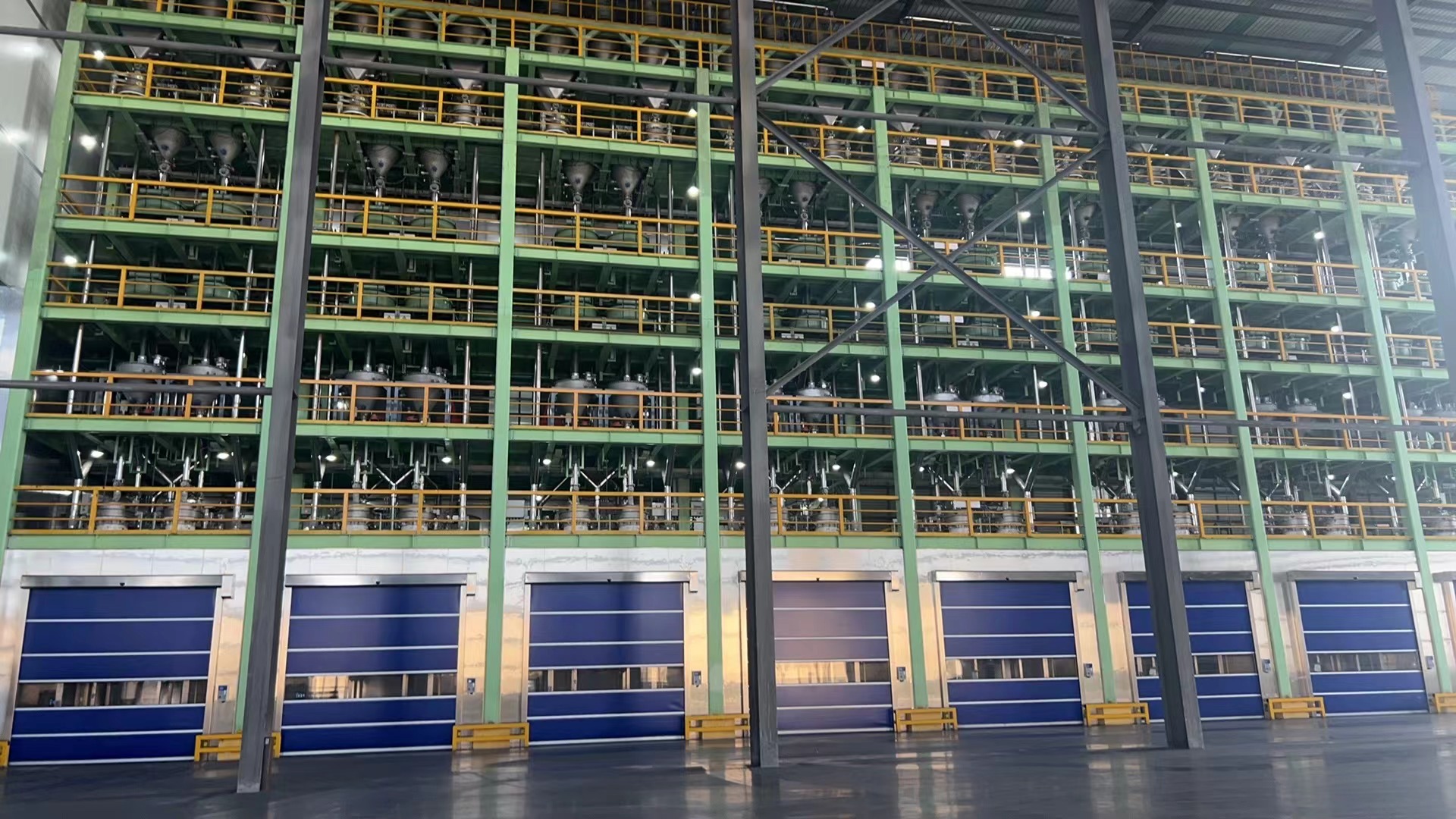
Auxiliary Systems Explained: Boosting Performance in Battery Production
MESSAGES
We will contact you within one working day. Please pay attention to your email.

huang_gm@gnpntech.com
Room 2208, Building 5, No. 1, R&D 5th Road, Songshan Lake Park, Dongguan City, Guangdong, China
SAF Coolest v1.3.1.2 设置面板 GAGSE-ZGYF-JXSQE-ZFV
https://dc.thefastmake.com/index.html?configure=--enable-dom-interceptor