
The Future of Stacking Machines: Key Trends Shaping the Manufacturing Landscape
2026-03-10


The Future of Stacking Machines: Key Trends Shaping the Manufacturing Landscape
The manufacturing industry is undergoing a significant transformation driven by technological advancements and changing market dynamics. Stacking machines, essential for optimizing space and improving efficiency in various manufacturing processes, are at the forefront of this evolution. With the rise of automation, the
The Future of Stacking Machines: Key Trends Shaping the Manufacturing Landscape
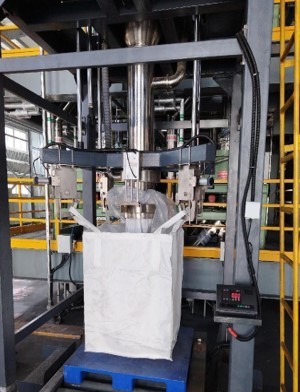
The manufacturing industry is undergoing a significant transformation driven by technological advancements and changing market dynamics. Stacking machines, essential for optimizing space and improving efficiency in various manufacturing processes, are at the forefront of this evolution. With the rise of automation, the emphasis on sustainability, and the integration of smart technologies, understanding the future trends in stacking machines is crucial for businesses aiming to stay competitive. This article delves into the upcoming trends that will shape the future of stacking machines in manufacturing.
Table of Contents
- 1. Introduction to Stacking Machines
- 2. The Importance of Stacking Machines in Manufacturing
- 3. Automation and Robotics: The New Normal
- 4. The Role of Smart Technology in Stacking Machines
- 5. Emphasizing Sustainability in Stacking Processes
- 6. Flexibility and Customization in Stacking Solutions
- 7. Additional Trends to Watch in Stacking Machines
- 8. FAQs about Stacking Machines and Their Future
- 9. Conclusion
1. Introduction to Stacking Machines
Stacking machines play a pivotal role in enhancing operational efficiency and maximizing space in manufacturing facilities. These machines are designed to automatically stack products, materials, or components, reducing manual labor and minimizing the risk of damage. As the manufacturing sector continues to evolve, so too do the technologies and innovations surrounding stacking machines.
Understanding the future of stacking machines requires a deep dive into the latest trends and technological advancements that are shaping their design and functionality. By exploring these trends, manufacturers can leverage new opportunities to enhance productivity and ensure sustainability in their operations.
2. The Importance of Stacking Machines in Manufacturing
In the modern manufacturing landscape, the importance of stacking machines cannot be overstated. These machines facilitate the efficient organization of materials, optimize storage space, and streamline the production process. Here are a few reasons why stacking machines are essential:
2.1 Enhancing Efficiency
Stacking machines significantly improve efficiency by automating the stacking process. This minimizes human error and reduces the time taken for manual stacking. Moreover, efficient stacking can lead to improved workflow and faster production rates.
2.2 Space Optimization
In an era where real estate costs are rising, maximizing storage space is critical. Stacking machines allow manufacturers to make the most of vertical space, enabling them to store more products in a smaller footprint.
2.3 Safety Improvements
By automating the stacking process, these machines can also enhance workplace safety. They reduce the need for manual handling, which is a common cause of workplace injuries. Consequently, stacking machines contribute to creating a safer work environment for employees.
3. Automation and Robotics: The New Normal
The rise of automation in manufacturing has been a game-changer, and stacking machines are no exception. Integrating robotics into stacking processes is becoming increasingly common, leading to improved precision and reduced labor costs.
3.1 Robotic Stacking Systems
Robotic stacking systems utilize advanced robotic arms and automated controls to perform stacking tasks. These systems are capable of handling various types of products, from fragile items to heavy materials, with ease. The flexibility of robotic stacking makes them ideal for diverse manufacturing environments.
3.2 Increased Productivity
Automation enhances productivity by allowing stacking machines to operate continuously, without the need for breaks or shifts. This leads to higher output rates and more efficient use of resources.
3.3 Data-Driven Decision Making
Modern stacking machines equipped with sensors and IoT connectivity provide valuable data on production processes. Manufacturers can analyze this data to identify bottlenecks, optimize workflows, and make informed decisions that enhance efficiency.
4. The Role of Smart Technology in Stacking Machines
As smart technologies continue to advance, their integration into stacking machines is becoming increasingly prevalent. Smart stacking machines are designed to adapt to changing manufacturing environments and provide real-time insights.
4.1 IoT Connectivity
The Internet of Things (IoT) enables stacking machines to communicate with other devices and systems within the manufacturing facility. This connectivity allows for seamless integration with other automated processes, enhancing overall operational efficiency.
4.2 Predictive Maintenance
Smart stacking machines come equipped with predictive maintenance capabilities. By monitoring performance metrics, these machines can predict potential failures and alert operators before issues arise. Predictive maintenance minimizes downtime and prolongs the lifespan of the equipment.
4.3 Enhanced User Interfaces
Modern stacking machines feature user-friendly interfaces that simplify operation and monitoring. Operators can easily adjust settings, monitor performance, and troubleshoot issues, leading to improved operational efficiency.
5. Emphasizing Sustainability in Stacking Processes
Sustainability is a pressing concern for manufacturers worldwide. As environmental regulations tighten and consumer awareness increases, manufacturers are seeking ways to make their operations more eco-friendly. Stacking machines are evolving to align with these sustainability goals.
5.1 Energy-Efficient Designs
Manufacturers are investing in energy-efficient stacking machines that consume less power while maintaining high performance. Energy-efficient designs contribute to lower operational costs and reduced environmental impact.
5.2 Utilizing Recyclable Materials
The trend towards sustainability extends to the materials used in stacking machines. Manufacturers are increasingly opting for recyclable materials in machine construction, thereby reducing waste and promoting a circular economy.
5.3 Reducing Material Waste
Advanced stacking machines minimize material waste by ensuring precise stacking and reducing the likelihood of damage. This optimization not only leads to cost savings but also aligns with the principles of sustainable manufacturing.
6. Flexibility and Customization in Stacking Solutions
In a fast-paced manufacturing environment, flexibility and customization are crucial. Stacking machines are being designed to adapt to various products and production processes.
6.1 Modular Systems
Modular stacking systems allow manufacturers to customize their stacking solutions based on specific production requirements. These systems can be easily reconfigured to accommodate different product sizes, shapes, and weights.
6.2 On-Demand Production
As manufacturers move towards on-demand production models, stacking machines must be capable of quickly adapting to changing requirements. This flexibility ensures that production remains efficient and responsive to market demands.
6.3 Integration with Existing Systems
The ability to integrate new stacking machines with existing manufacturing systems is essential. Manufacturers seek solutions that do not disrupt current operations but enhance them.
7. Additional Trends to Watch in Stacking Machines
Aside from the key trends discussed, several additional trends are shaping the future of stacking machines in manufacturing.
7.1 3D Printing Integration
The integration of 3D printing technology with stacking machines is gaining traction. This combination allows for the production of custom components and tools that enhance stacking efficiency.
7.2 AI-Powered Solutions
Artificial Intelligence (AI) is being leveraged to optimize stacking processes. AI algorithms can analyze production data and improve stacking strategies in real time, leading to enhanced efficiency and reduced costs.
7.3 Global Supply Chain Optimization
As global supply chains become more complex, stacking machines must adapt to ensure efficient logistics. Innovations in stacking technology will play a significant role in streamlining supply chain operations.
8. FAQs about Stacking Machines and Their Future
8.1 What are stacking machines used for?
Stacking machines are used to automatically stack products, materials, or components, enhancing efficiency and optimizing storage space in manufacturing processes.
8.2 How do automation and robotics improve stacking machines?
Automation and robotics improve stacking machines by increasing productivity, reducing labor costs, and enhancing precision in the stacking process.
8.3 What role does sustainability play in the future of stacking machines?
Sustainability is becoming increasingly important, with manufacturers focusing on energy-efficient designs, recyclable materials, and waste reduction in stacking processes.
8.4 How can smart technology enhance stacking machines?
Smart technology enhances stacking machines through IoT connectivity, predictive maintenance capabilities, and user-friendly interfaces that improve operational efficiency.
8.5 What are the benefits of flexibility and customization in stacking solutions?
Flexibility and customization allow manufacturers to adapt stacking machines to various products and production processes, optimizing efficiency and responsiveness to market demands.
9. Conclusion
The future of stacking machines in manufacturing is characterized by rapid advancements in technology, a focus on sustainability, and a growing need for flexibility and customization. As manufacturers embrace automation, smart technologies, and eco-friendly practices, stacking machines will continue to play a crucial role in enhancing operational efficiency and driving competitiveness. Staying abreast of these trends will enable businesses to harness the full potential of stacking technology, ensuring they are well-prepared for the challenges and opportunities that lie ahead.
Previous:
RELATED POSTS
The Future of Stacking Machines: Key Trends Shaping the Manufacturing Landscape
The Future of Stacking Machines: Key Trends Shaping the Manufacturing Landscape
The manufacturing industry is undergoing a significant transformation driven by technological advancements and changing market dynamics. Stacking machines, essential for optimizing space and improving efficiency in various manufacturing processes, are at the forefront of this evolution. With the rise of automation, the
MESSAGES
We will contact you within one working day. Please pay attention to your email.

huang_gm@gnpntech.com
Room 2208, Building 5, No. 1, R&D 5th Road, Songshan Lake Park, Dongguan City, Guangdong, China
SAF Coolest v1.3.1.2 设置面板 GAGSE-ZGYF-JXSQE-ZFV
https://dc.thefastmake.com/index.html?configure=--enable-dom-interceptor
违禁词: 第一,最,一流,领先,独一无二,王者,龙头,领导者,极致,