
Optimize Your Operations with a Small Bag Unpacking Station
2026-03-09


---
In the fast-paced world of manufacturing, efficiency is key. One innovative solution that can significantly improve your operations is the Small Bag Unpacking Station. This specialized station is designed to facilitate the unpacking of small bags, which is a common task in many manufacturing environments, particularly in industries that handle bulk materials in smaller packaging.
A Small Bag U
---
In the fast-paced world of manufacturing, efficiency is key. One innovative solution that can significantly improve your operations is the Small Bag Unpacking Station. This specialized station is designed to facilitate the unpacking of small bags, which is a common task in many manufacturing environments, particularly in industries that handle bulk materials in smaller packaging.
A Small Bag Unpacking Station typically features ergonomic design and automation capabilities, which can drastically reduce the time and labor involved in unpacking processes. By integrating this station into your workflow, you can optimize the handling and processing of materials, leading to a smoother production line.
One of the primary benefits of a Small Bag Unpacking Station is the reduction of manual labor. Traditional unpacking methods can be labor-intensive and time-consuming, often requiring multiple workers to ensure efficiency. By using a dedicated unpacking station, you can streamline the process, allowing a single operator to manage multiple tasks at once. This not only frees up personnel for other duties but also minimizes the risk of repetitive strain injuries associated with manual unpacking.
Additionally, the design of a Small Bag Unpacking Station often incorporates features that enhance safety and minimize product loss. For instance, some stations come equipped with built-in dust extraction systems to maintain a clean working environment. This is crucial in preventing contamination of materials and ensuring compliance with industry standards, especially in sectors where product purity is paramount.
Another significant advantage is the potential for customization. Depending on the specific needs of your operation, Small Bag Unpacking Stations can be tailored to accommodate different bag sizes, materials, and unpacking methods. This versatility allows manufacturers to adapt the station to fit their unique requirements, thereby maximizing its efficiency.
Moreover, implementing a Small Bag Unpacking Station can lead to improved inventory management. With a more organized unpacking process, manufacturers can better track material usage and reduce excess inventory, which can translate to cost savings and better resource allocation.
In summary, a Small Bag Unpacking Station is an invaluable asset for any manufacturer looking to enhance their operational efficiency. By reducing manual labor, improving safety, and allowing for customization, this station can be a game-changer in your production line. Investing in such technology not only streamlines your processes but also positions your business for growth in a competitive environment.
In the fast-paced world of manufacturing, efficiency is key. One innovative solution that can significantly improve your operations is the Small Bag Unpacking Station. This specialized station is designed to facilitate the unpacking of small bags, which is a common task in many manufacturing environments, particularly in industries that handle bulk materials in smaller packaging.
A Small Bag Unpacking Station typically features ergonomic design and automation capabilities, which can drastically reduce the time and labor involved in unpacking processes. By integrating this station into your workflow, you can optimize the handling and processing of materials, leading to a smoother production line.
One of the primary benefits of a Small Bag Unpacking Station is the reduction of manual labor. Traditional unpacking methods can be labor-intensive and time-consuming, often requiring multiple workers to ensure efficiency. By using a dedicated unpacking station, you can streamline the process, allowing a single operator to manage multiple tasks at once. This not only frees up personnel for other duties but also minimizes the risk of repetitive strain injuries associated with manual unpacking.
Additionally, the design of a Small Bag Unpacking Station often incorporates features that enhance safety and minimize product loss. For instance, some stations come equipped with built-in dust extraction systems to maintain a clean working environment. This is crucial in preventing contamination of materials and ensuring compliance with industry standards, especially in sectors where product purity is paramount.
Another significant advantage is the potential for customization. Depending on the specific needs of your operation, Small Bag Unpacking Stations can be tailored to accommodate different bag sizes, materials, and unpacking methods. This versatility allows manufacturers to adapt the station to fit their unique requirements, thereby maximizing its efficiency.
Moreover, implementing a Small Bag Unpacking Station can lead to improved inventory management. With a more organized unpacking process, manufacturers can better track material usage and reduce excess inventory, which can translate to cost savings and better resource allocation.
In summary, a Small Bag Unpacking Station is an invaluable asset for any manufacturer looking to enhance their operational efficiency. By reducing manual labor, improving safety, and allowing for customization, this station can be a game-changer in your production line. Investing in such technology not only streamlines your processes but also positions your business for growth in a competitive environment.
RELATED POSTS
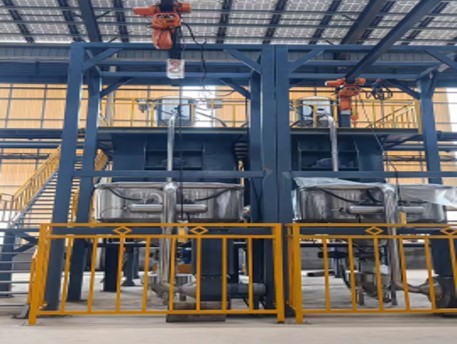
Optimize Your Operations with a Small Bag Unpacking Station
---
In the fast-paced world of manufacturing, efficiency is key. One innovative solution that can significantly improve your operations is the Small Bag Unpacking Station. This specialized station is designed to facilitate the unpacking of small bags, which is a common task in many manufacturing environments, particularly in industries that handle bulk materials in smaller packaging.
A Small Bag U
MESSAGES
We will contact you within one working day. Please pay attention to your email.

huang_gm@gnpntech.com
Room 2208, Building 5, No. 1, R&D 5th Road, Songshan Lake Park, Dongguan City, Guangdong, China
SAF Coolest v1.3.1.2 设置面板 GAGSE-ZGYF-JXSQE-ZFV
https://dc.thefastmake.com/index.html?configure=--enable-dom-interceptor
违禁词: 第一,最,一流,领先,独一无二,王者,龙头,领导者,极致,