
Understanding the Role of VC Mixers in Advanced Manufacturing Processes
2026-02-26


In the world of advanced manufacturing, the VC mixer, or Vacuum Continuous Mixer, plays a pivotal role in ensuring uniformity and consistency in material processing. These mixers are designed to blend materials thoroughly while simultaneously removing air and moisture from the mixture, resulting in a higher quality end product. The technology behind VC mixers typically involves a combination of me
In the world of advanced manufacturing, the VC mixer, or Vacuum Continuous Mixer, plays a pivotal role in ensuring uniformity and consistency in material processing. These mixers are designed to blend materials thoroughly while simultaneously removing air and moisture from the mixture, resulting in a higher quality end product. The technology behind VC mixers typically involves a combination of mechanical agitation and vacuum application, which helps to achieve an optimal mixture without incorporating unwanted particulates.
One of the primary advantages of using a VC mixer in manufacturing is the ability to process viscous materials. The vacuum environment allows for the efficient blending of high-viscosity substances that traditional mixing methods struggle with. As a result, manufacturers can create products with superior texture and stability, which is particularly crucial in industries such as food production, cosmetics, and pharmaceuticals.
Additionally, VC mixers are equipped with precise temperature control systems. This feature is essential for processes that require specific heat conditions to initiate chemical reactions or to maintain product integrity. By regulating the temperature during mixing, manufacturers can ensure that their products meet stringent quality standards, thus enhancing overall production efficiency.
Another significant benefit of VC mixers is their ability to reduce processing times. Traditional mixing methods often require longer durations to achieve the desired consistency, whereas the efficient operation of a VC mixer can significantly cut down on cycle times. This not only improves productivity but also allows for a more flexible manufacturing schedule, enabling businesses to respond quickly to market demands.
Furthermore, VC mixers contribute to waste reduction. The vacuum process minimizes the risk of air entrapment, which can lead to defects in the final product. By ensuring a homogeneous mixture without voids, manufacturers can decrease the likelihood of product failure, thereby saving costs associated with rework or scrap.
In conclusion, the VC mixer is an invaluable asset in the realm of advanced manufacturing processes. Its ability to blend viscous materials, maintain temperature control, reduce processing times, and enhance product quality makes it a crucial component in various manufacturing applications. For professionals in the manufacturing sector, understanding the capabilities of VC mixers can lead to improved operational efficiency and product excellence, positioning their businesses for success in an increasingly competitive landscape.
One of the primary advantages of using a VC mixer in manufacturing is the ability to process viscous materials. The vacuum environment allows for the efficient blending of high-viscosity substances that traditional mixing methods struggle with. As a result, manufacturers can create products with superior texture and stability, which is particularly crucial in industries such as food production, cosmetics, and pharmaceuticals.
Additionally, VC mixers are equipped with precise temperature control systems. This feature is essential for processes that require specific heat conditions to initiate chemical reactions or to maintain product integrity. By regulating the temperature during mixing, manufacturers can ensure that their products meet stringent quality standards, thus enhancing overall production efficiency.
Another significant benefit of VC mixers is their ability to reduce processing times. Traditional mixing methods often require longer durations to achieve the desired consistency, whereas the efficient operation of a VC mixer can significantly cut down on cycle times. This not only improves productivity but also allows for a more flexible manufacturing schedule, enabling businesses to respond quickly to market demands.
Furthermore, VC mixers contribute to waste reduction. The vacuum process minimizes the risk of air entrapment, which can lead to defects in the final product. By ensuring a homogeneous mixture without voids, manufacturers can decrease the likelihood of product failure, thereby saving costs associated with rework or scrap.
In conclusion, the VC mixer is an invaluable asset in the realm of advanced manufacturing processes. Its ability to blend viscous materials, maintain temperature control, reduce processing times, and enhance product quality makes it a crucial component in various manufacturing applications. For professionals in the manufacturing sector, understanding the capabilities of VC mixers can lead to improved operational efficiency and product excellence, positioning their businesses for success in an increasingly competitive landscape.
RELATED POSTS
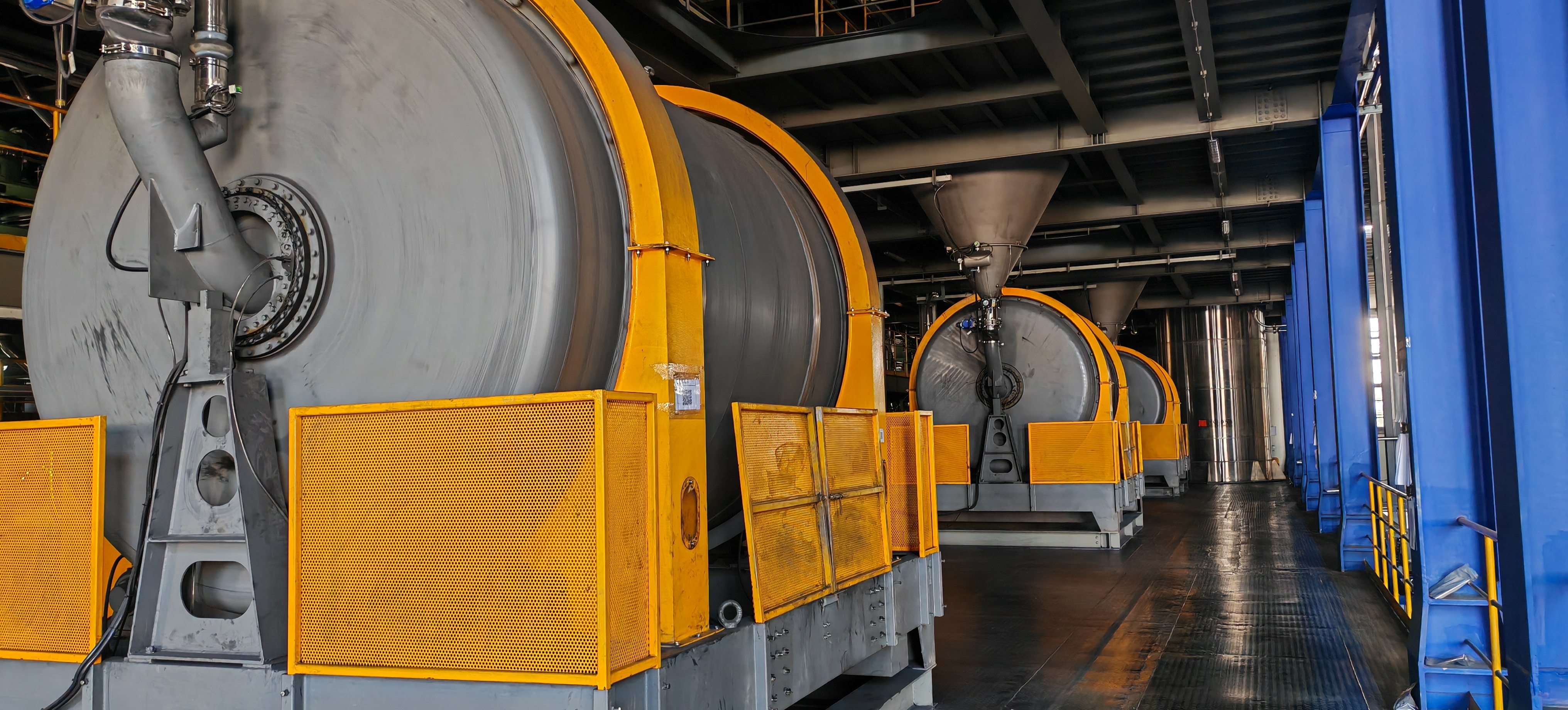
Understanding the Role of VC Mixers in Advanced Manufacturing Processes
In the world of advanced manufacturing, the VC mixer, or Vacuum Continuous Mixer, plays a pivotal role in ensuring uniformity and consistency in material processing. These mixers are designed to blend materials thoroughly while simultaneously removing air and moisture from the mixture, resulting in a higher quality end product. The technology behind VC mixers typically involves a combination of me

MESSAGES
We will contact you within one working day. Please pay attention to your email.

huang_gm@gnpntech.com
Room 2208, Building 5, No. 1, R&D 5th Road, Songshan Lake Park, Dongguan City, Guangdong, China
SAF Coolest v1.3.1.2 设置面板 GAGSE-ZGYF-JXSQE-ZFV
https://dc.thefastmake.com/index.html?configure=--enable-dom-interceptor
违禁词: 第一,最,一流,领先,独一无二,王者,龙头,领导者,极致,