
The Future of Battery Manufacturing: Innovations in Auxiliary Systems
2026-02-25


The Future of Battery Manufacturing: Innovations in Auxiliary Systems
Table of Contents
Introduction to Battery Manufacturing Innovations
Current State of Battery Manufacturing
Understanding Auxiliary Systems in Battery Production
Technological Advancements in Auxiliary Systems
The Role of Automation in Battery Manufacturing
Sustainability Practices in Battery Manufacturin
The Future of Battery Manufacturing: Innovations in Auxiliary Systems
Table of Contents
- Introduction to Battery Manufacturing Innovations
- Current State of Battery Manufacturing
- Understanding Auxiliary Systems in Battery Production
- Technological Advancements in Auxiliary Systems
- The Role of Automation in Battery Manufacturing
- Sustainability Practices in Battery Manufacturing
- Future Trends in Battery Manufacturing Auxiliary Systems
- Case Studies of Successful Innovations
- Frequently Asked Questions
- Conclusion: The Path Forward
Introduction to Battery Manufacturing Innovations
The landscape of battery manufacturing is rapidly evolving. With the increasing demand for renewable energy sources and electric vehicles, the need for efficient battery production processes is more critical than ever. Auxiliary systems play a vital role in enhancing production efficiency, improving product quality, and reducing environmental impact. This article delves into the latest innovations in auxiliary systems within the battery manufacturing sector, providing insights into how these advancements are shaping the future.
Current State of Battery Manufacturing
As of now, battery manufacturing is predominantly driven by lithium-ion technology, which powers everything from smartphones to electric vehicles. The manufacturing process involves several intricate steps, including electrode production, cell assembly, and battery packing. Despite significant advancements, challenges such as production speed, scalability, and environmental sustainability remain prevalent. Traditional manufacturing methods often lead to excessive waste and energy consumption, necessitating innovative solutions to enhance efficiency.
Understanding Auxiliary Systems in Battery Production
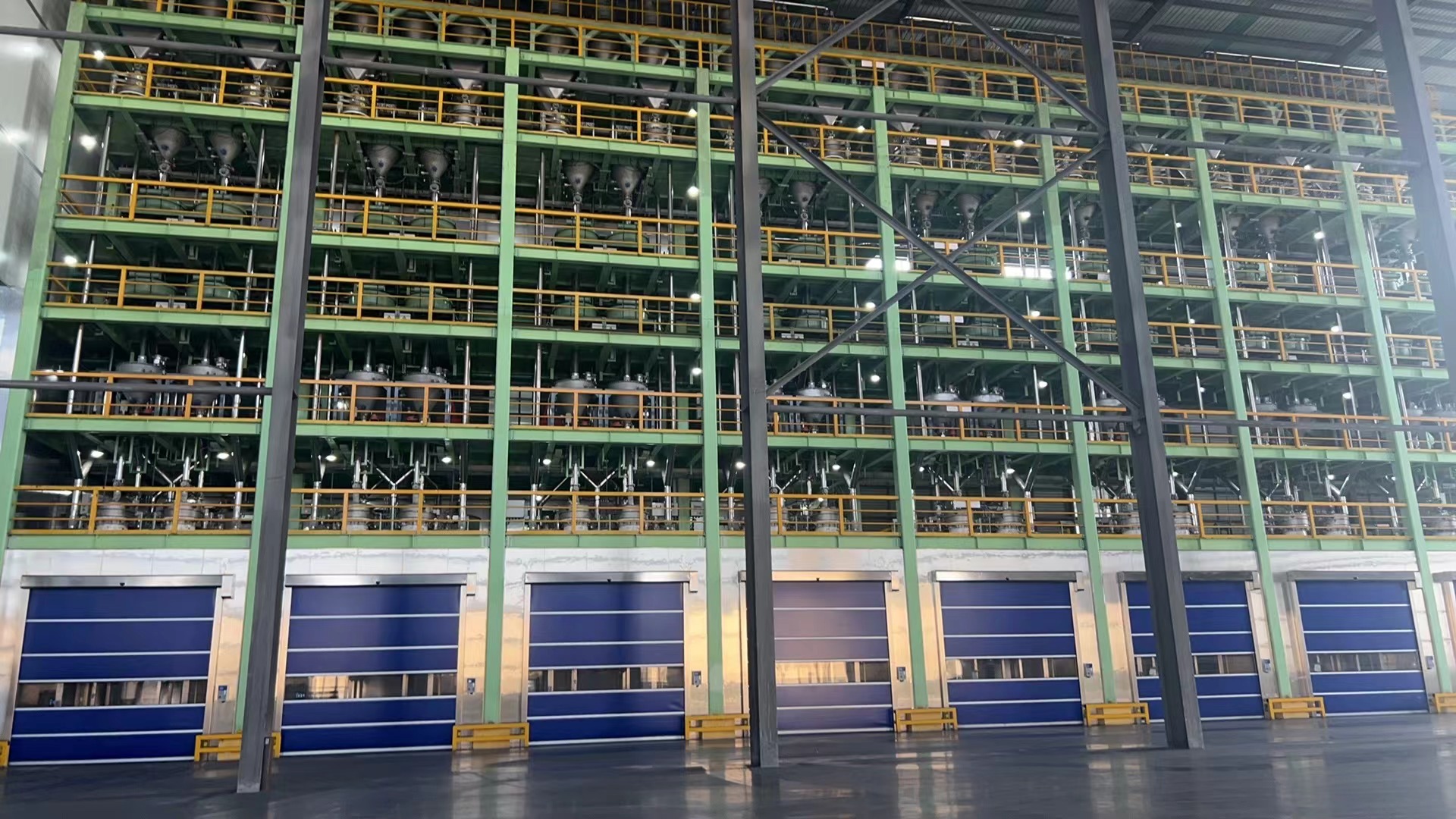
Auxiliary systems refer to the supportive technologies and processes that facilitate the primary manufacturing operations. These systems include equipment for material handling, quality control, and energy management. By optimizing these auxiliary functions, manufacturers can significantly improve overall production efficiency. Key components of auxiliary systems include:
Material Handling Systems
Material handling systems are essential for transporting raw materials and finished products throughout the manufacturing process. Automated guided vehicles (AGVs) and conveyor belts are commonly used to streamline these operations, minimizing manual labor and reducing the risk of contamination.
Quality Control Systems
Quality assurance is crucial in battery manufacturing. Implementing advanced quality control systems, such as real-time monitoring and machine vision technologies, ensures that defects are detected early in the production line, reducing waste and improving product consistency.
Energy Management Systems
Energy management systems are designed to optimize energy consumption throughout the manufacturing process. By incorporating renewable energy sources and advanced storage technologies, manufacturers can reduce their carbon footprint and lower operational costs.
Technological Advancements in Auxiliary Systems
The battery manufacturing industry is witnessing a wave of technological advancements aimed at enhancing auxiliary systems. These innovations are not only improving efficiency but also paving the way for more sustainable practices.
Artificial Intelligence and Machine Learning
Artificial intelligence (AI) and machine learning are revolutionizing battery manufacturing. These technologies enable predictive maintenance, optimize production schedules, and enhance quality control processes. By analyzing vast amounts of data, AI can identify patterns and anomalies that humans may overlook, leading to more informed decision-making.
Internet of Things (IoT) Integration
The integration of IoT devices in manufacturing processes allows for real-time data collection and analysis. IoT-enabled sensors can monitor equipment performance, track material usage, and provide insights into energy consumption. This connectivity fosters a more responsive and agile manufacturing environment.
Advanced Robotics
Robotics technology is enhancing the efficiency of battery manufacturing by automating repetitive tasks and reducing human error. Collaborative robots (cobots) can work alongside human operators, improving productivity while ensuring safety in the workplace.
The Role of Automation in Battery Manufacturing
Automation plays a pivotal role in modernizing battery manufacturing processes. By integrating automated systems, manufacturers can achieve significant improvements in speed, accuracy, and overall production capacity.
Enhanced Production Speed
Automated systems can operate continuously without breaks, significantly increasing production rates. This is especially critical in meeting the soaring demand for batteries driven by the electric vehicle market.
Consistency and Quality Assurance
Automation minimizes human intervention, reducing the risk of errors that can compromise product quality. Automated machines can perform tasks with high precision, ensuring that each battery meets stringent quality standards.
Sustainability Practices in Battery Manufacturing
As the world shifts toward greener technologies, sustainability has become a focal point in battery manufacturing. Innovations in auxiliary systems play a crucial role in promoting environmentally friendly practices.
Recycling and Reuse of Materials
Implementing recycling programs within the manufacturing process can significantly reduce waste. By reusing materials, manufacturers can lower production costs and minimize their environmental impact.
Energy Efficiency Initiatives
Investing in energy-efficient technologies and renewable energy sources not only reduces operational costs but also aligns with global sustainability goals. Manufacturers are increasingly adopting solar and wind energy to power their facilities.
Future Trends in Battery Manufacturing Auxiliary Systems
The future of battery manufacturing is bright, with numerous trends emerging that promise to reshape the industry.
Smart Manufacturing
The concept of smart manufacturing involves the use of advanced technologies to create a more intelligent and adaptive production environment. This includes the implementation of AI, IoT, and data analytics to enhance decision-making and optimize processes.
Emerging Battery Technologies
As research progresses, new battery technologies such as solid-state batteries and lithium-sulfur batteries are gaining traction. These innovations will require new auxiliary systems and manufacturing processes to accommodate their unique properties.
Collaborative Ecosystems
The future will likely see increased collaboration between manufacturers, technology providers, and research institutions. By working together, stakeholders can develop innovative solutions that address industry challenges and drive growth.
Case Studies of Successful Innovations
Examining successful implementations of innovative auxiliary systems can provide valuable insights into best practices and strategies for optimization.
Case Study: Tesla's Gigafactory
Tesla's Gigafactory in Nevada is a prime example of advanced battery manufacturing. The facility utilizes cutting-edge automation and energy management systems to produce lithium-ion batteries at an unprecedented scale. By integrating renewable energy sources, Tesla has significantly reduced its carbon footprint.
Case Study: Panasonic's Production Techniques
Panasonic has made significant strides in improving the efficiency of its battery manufacturing processes. The company employs advanced robotics and AI-driven quality control systems, resulting in enhanced production capacity and reduced defect rates.
Frequently Asked Questions
What are auxiliary systems in battery manufacturing?
Auxiliary systems refer to the technologies and processes that support the main battery manufacturing operations, including material handling, quality control, and energy management.
How does automation impact battery manufacturing?
Automation enhances battery manufacturing by increasing production speed, improving consistency and quality, and reducing the risk of human error.
What role does sustainability play in battery manufacturing?
Sustainability is crucial in battery manufacturing, as it focuses on reducing waste, optimizing energy consumption, and promoting the recycling of materials.
What are the latest trends in battery manufacturing technologies?
Emerging trends include smart manufacturing, the development of new battery technologies, and collaborative ecosystems among industry stakeholders.
How can manufacturers improve their quality control processes?
Implementing advanced quality control systems, such as real-time monitoring and machine vision technologies, can help manufacturers detect defects early and maintain product consistency.
Conclusion: The Path Forward
The future of battery manufacturing is poised for remarkable transformation, driven by innovations in auxiliary systems that enhance efficiency, sustainability, and adaptability. By embracing advanced technologies and practices, manufacturers can meet the growing demand for batteries while minimizing their environmental impact. As we navigate this exciting landscape, collaboration and continuous improvement will be essential in shaping a greener, more efficient battery manufacturing industry.
RELATED POSTS
The Future of Battery Manufacturing: Innovations in Auxiliary Systems
The Future of Battery Manufacturing: Innovations in Auxiliary Systems
Table of Contents
Introduction to Battery Manufacturing Innovations
Current State of Battery Manufacturing
Understanding Auxiliary Systems in Battery Production
Technological Advancements in Auxiliary Systems
The Role of Automation in Battery Manufacturing
Sustainability Practices in Battery Manufacturin

MESSAGES
We will contact you within one working day. Please pay attention to your email.

huang_gm@gnpntech.com
Room 2208, Building 5, No. 1, R&D 5th Road, Songshan Lake Park, Dongguan City, Guangdong, China
SAF Coolest v1.3.1.2 设置面板 GAGSE-ZGYF-JXSQE-ZFV
https://dc.thefastmake.com/index.html?configure=--enable-dom-interceptor
违禁词: 第一,最,一流,领先,独一无二,王者,龙头,领导者,极致,