
Understanding Size Reduction Equipment: An Essential Guide for Manufacturers
2026-02-24


Size reduction equipment plays a crucial role in the manufacturing sector, especially in the realm of material processing. This machinery is designed to reduce the size of raw materials or products, turning larger substances into manageable particles or powders. Understanding the different types of size reduction equipment, their functions, and their benefits is essential for manufacturers aiming
Size reduction equipment plays a crucial role in the manufacturing sector, especially in the realm of material processing. This machinery is designed to reduce the size of raw materials or products, turning larger substances into manageable particles or powders. Understanding the different types of size reduction equipment, their functions, and their benefits is essential for manufacturers aiming to optimize their processes.
The primary function of size reduction equipment is to break down materials into smaller pieces, which can enhance the ease of handling, transport, and processing. There are various methods of size reduction, including mechanical, chemical, and thermal processes. The most common forms of size reduction equipment include crushers, grinders, and pulverizers, each designed for specific applications.
Crushers are typically used for coarse size reduction, breaking larger materials into smaller chunks. They are often employed in mining and quarrying operations. On the other hand, grinders and pulverizers are utilized for finer size reduction, turning materials into powders suitable for various applications, including pharmaceuticals, food production, and plastics manufacturing.
One of the primary advantages of implementing size reduction equipment is the increased efficiency it brings to production lines. By processing materials into smaller sizes, manufacturers can achieve better mixing and blending, which is essential in ensuring product consistency. Additionally, smaller particle sizes can lead to improved reaction rates in chemical processes, enhancing product quality and reducing energy consumption.
Moreover, size reduction equipment can also contribute to waste reduction and sustainability efforts. By repurposing waste materials into smaller, usable forms, manufacturers can minimize their environmental impact while also generating additional revenue streams. This not only aligns with industry standards for sustainability but also appeals to consumers who prioritize eco-friendly practices.
When selecting size reduction equipment, manufacturers should consider several factors, including the type of material being processed, the desired final particle size, and the production capacity required. Conducting thorough research and possibly consulting with experts in the field can help in making informed decisions that align with operational goals.
In conclusion, size reduction equipment is a vital component in the manufacturing process, enabling manufacturers to enhance efficiency, improve product quality, and support sustainability initiatives. By understanding the different types and functions of this equipment, businesses can make strategic choices that propel their operations forward and meet the demands of an ever-evolving market.
The primary function of size reduction equipment is to break down materials into smaller pieces, which can enhance the ease of handling, transport, and processing. There are various methods of size reduction, including mechanical, chemical, and thermal processes. The most common forms of size reduction equipment include crushers, grinders, and pulverizers, each designed for specific applications.
Crushers are typically used for coarse size reduction, breaking larger materials into smaller chunks. They are often employed in mining and quarrying operations. On the other hand, grinders and pulverizers are utilized for finer size reduction, turning materials into powders suitable for various applications, including pharmaceuticals, food production, and plastics manufacturing.
One of the primary advantages of implementing size reduction equipment is the increased efficiency it brings to production lines. By processing materials into smaller sizes, manufacturers can achieve better mixing and blending, which is essential in ensuring product consistency. Additionally, smaller particle sizes can lead to improved reaction rates in chemical processes, enhancing product quality and reducing energy consumption.
Moreover, size reduction equipment can also contribute to waste reduction and sustainability efforts. By repurposing waste materials into smaller, usable forms, manufacturers can minimize their environmental impact while also generating additional revenue streams. This not only aligns with industry standards for sustainability but also appeals to consumers who prioritize eco-friendly practices.
When selecting size reduction equipment, manufacturers should consider several factors, including the type of material being processed, the desired final particle size, and the production capacity required. Conducting thorough research and possibly consulting with experts in the field can help in making informed decisions that align with operational goals.
In conclusion, size reduction equipment is a vital component in the manufacturing process, enabling manufacturers to enhance efficiency, improve product quality, and support sustainability initiatives. By understanding the different types and functions of this equipment, businesses can make strategic choices that propel their operations forward and meet the demands of an ever-evolving market.
RELATED POSTS
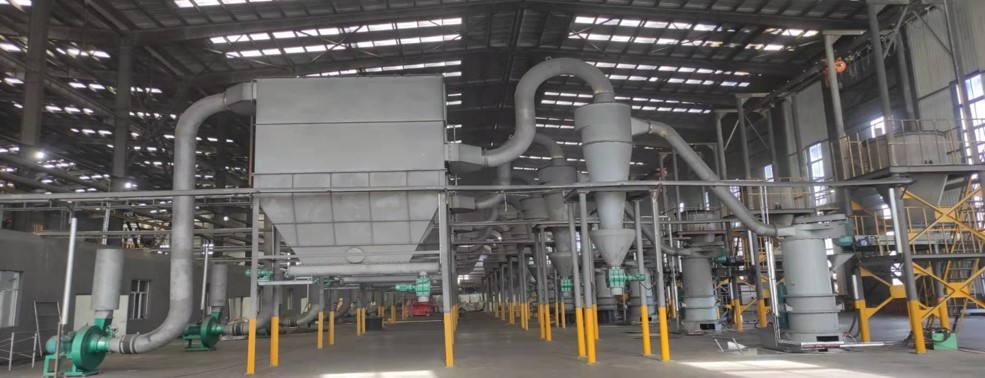
Understanding Size Reduction Equipment: An Essential Guide for Manufacturers
Size reduction equipment plays a crucial role in the manufacturing sector, especially in the realm of material processing. This machinery is designed to reduce the size of raw materials or products, turning larger substances into manageable particles or powders. Understanding the different types of size reduction equipment, their functions, and their benefits is essential for manufacturers aiming

MESSAGES
We will contact you within one working day. Please pay attention to your email.

huang_gm@gnpntech.com
Room 2208, Building 5, No. 1, R&D 5th Road, Songshan Lake Park, Dongguan City, Guangdong, China
SAF Coolest v1.3.1.2 设置面板 GAGSE-ZGYF-JXSQE-ZFV
https://dc.thefastmake.com/index.html?configure=--enable-dom-interceptor
违禁词: 第一,最,一流,领先,独一无二,王者,龙头,领导者,极致,