
Production Line Equipment: Driving Efficiency and Transformation in Modern Manufacturing
2026-04-29


In recent years, production line equipment has become a central element in the transformation of global manufacturing. As industries face increasing pressure to improve efficiency, reduce costs, and maintain consistent product quality, factories are gradually shifting from traditional standalone machines to integrated production line systems. This evolution is not only changing how goods are produced but also reshaping the overall structure of industrial operations.
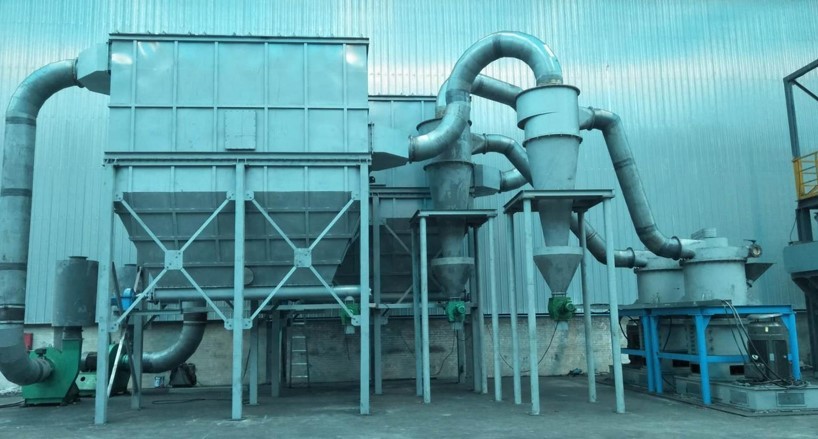
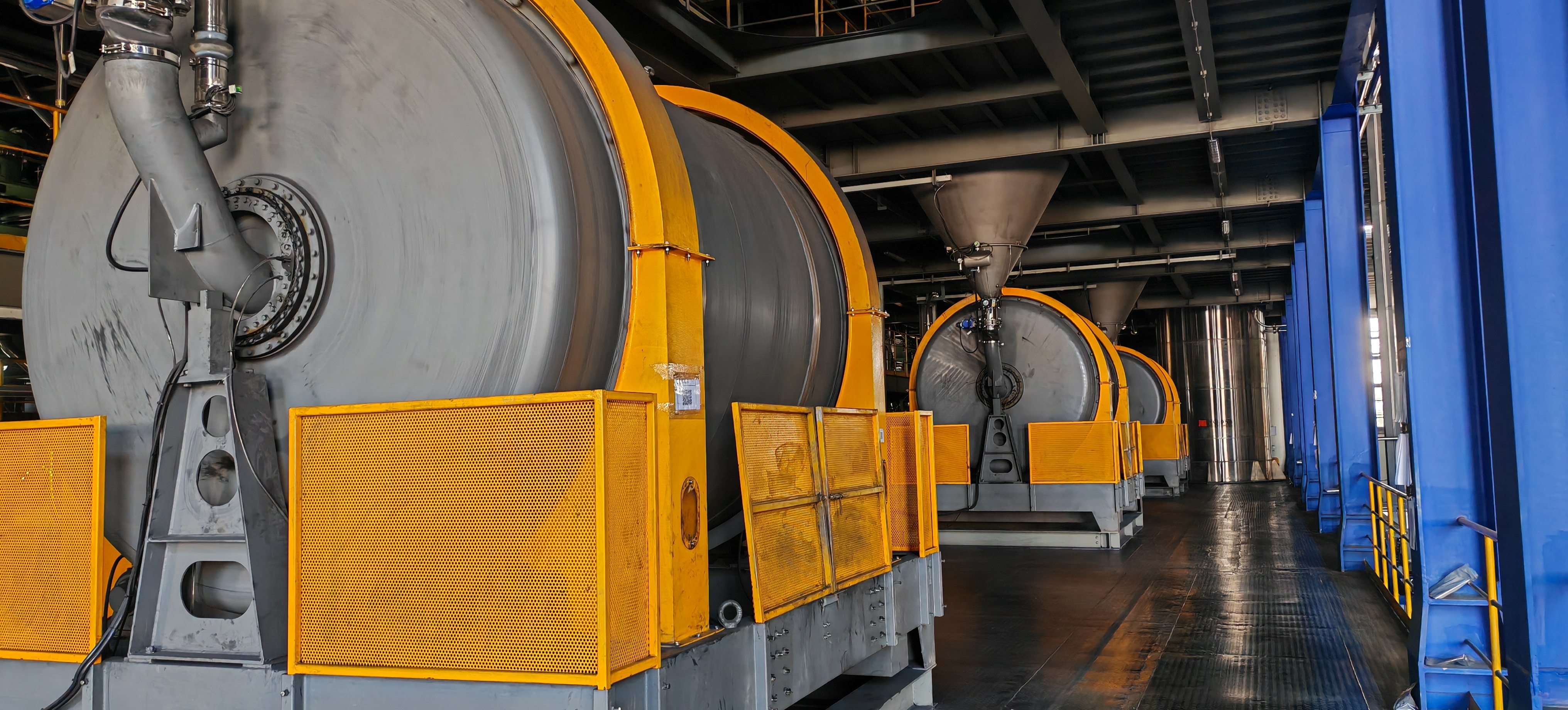
Production line equipment typically refers to a coordinated system of machines and devices designed to carry out a sequence of manufacturing tasks. These tasks may include material handling, assembly, processing, inspection, and packaging. Instead of relying on manual operation or isolated equipment, modern production lines are built to ensure that each step is connected, allowing materials or semi-finished products to move smoothly from one stage to the next. This continuity is one of the key reasons why production efficiency has significantly improved in many industries.
One of the most noticeable developments in production line equipment is the increasing level of automation. Earlier systems often required heavy human involvement, especially in repetitive or physically demanding tasks. Today, automated conveyors, robotic arms, and programmable control systems have taken over many of these functions. This does not eliminate human roles but rather shifts them toward supervision, maintenance, and quality control. As a result, production becomes more stable and less affected by human fatigue or variation.
Another important aspect is flexibility. Modern production line equipment is no longer limited to a single product type or fixed process. With modular designs and adjustable configurations, manufacturers can adapt their production lines to different product specifications with relatively minimal changes. This is particularly valuable in industries where product models change frequently or customization is required. The ability to reconfigure production lines quickly helps companies respond to market demands more effectively.
Quality control is also deeply integrated into current production line systems. Instead of inspecting finished products only at the end of the process, many production lines now include in-line inspection equipment. These systems can detect defects, measure dimensions, or verify assembly accuracy in real time. By identifying issues early, manufacturers can reduce waste and avoid large-scale production errors. This continuous monitoring approach contributes to more consistent product quality across batches.
In addition to efficiency and quality, production line equipment also plays a role in improving workplace safety. Automated systems reduce the need for workers to perform hazardous or repetitive tasks. For example, lifting heavy materials, operating high-temperature machinery, or handling sharp components can be managed by machines instead of manual labor. This shift helps lower the risk of workplace injuries and creates a safer production environment overall.
Energy efficiency has also become an important consideration in the design of production line equipment. Many modern systems are built with energy-saving motors, intelligent power management, and optimized mechanical structures. These improvements not only reduce operational costs but also support broader sustainability goals within the manufacturing sector. As energy prices fluctuate and environmental regulations become stricter, efficient equipment design is increasingly seen as a necessary investment rather than an optional upgrade.
Despite its advantages, implementing production line equipment requires careful planning. Factors such as factory layout, production volume, material flow, and maintenance requirements must all be considered. Poorly designed systems can lead to bottlenecks or underutilized capacity, which reduces overall efficiency. Therefore, successful implementation often depends on a balanced approach that combines engineering design with practical operational needs.
Looking ahead, production line equipment is expected to continue evolving with the integration of digital technologies. Concepts such as smart manufacturing and industrial connectivity are gradually being introduced into production environments. Real-time data collection, remote monitoring, and predictive maintenance are becoming more common, allowing factories to operate with greater precision and fewer interruptions.
Overall, production line equipment remains a foundational element of modern industry. Its development reflects the ongoing effort to achieve higher efficiency, better quality, and more sustainable manufacturing practices. As technology continues to advance, production systems will likely become even more intelligent, flexible, and interconnected, further shaping the future of global production.
RELATED POSTS

Production Line Equipment: Driving Efficiency and Transformation in Modern Manufacturing
MESSAGES
We will contact you within one working day. Please pay attention to your email.

huang_gm@gnpntech.com
Room 2208, Building 5, No. 1, R&D 5th Road, Songshan Lake Park, Dongguan City, Guangdong, China
SAF Coolest v1.3.1.2 设置面板 GAGSE-ZGYF-JXSQE-ZFV
https://dc.thefastmake.com/index.html?configure=--enable-dom-interceptor