
The Benefits and Importance of a Small Bag Unpacking Station in Manufacturing
2026-04-26


In the manufacturing and processing sector, efficiency and organization can significantly impact productivity and product quality. One often-overlooked component that can streamline operations is the Small Bag Unpacking Station. This designated area is specifically designed for the systematic unpacking of small items or components that arrive in bags, ensuring an orderly workflow and reducing the
In the manufacturing and processing sector, efficiency and organization can significantly impact productivity and product quality. One often-overlooked component that can streamline operations is the Small Bag Unpacking Station. This designated area is specifically designed for the systematic unpacking of small items or components that arrive in bags, ensuring an orderly workflow and reducing the potential for errors.
The primary function of a Small Bag Unpacking Station is to facilitate the quick and efficient unpacking of materials. In a busy manufacturing environment, multiple components may arrive in small bags, each containing critical parts for assembly or production. A well-structured unpacking station minimizes clutter and allows employees to focus on their tasks, ultimately speeding up the entire unpacking process.
To maximize the effectiveness of a Small Bag Unpacking Station, manufacturers should consider several key factors. Firstly, ergonomics play a crucial role; the station should be designed to accommodate various worker heights and preferences to reduce strain during the unpacking process. Additionally, incorporating storage solutions such as bins or trays can help organize components immediately after unpacking, reducing the time spent searching for items later in the production line.
Another important aspect to consider is the layout of the unpacking station. Ideally, it should be situated near the production line to enhance accessibility and further streamline operations. A well-placed Small Bag Unpacking Station can reduce unnecessary movement, thus saving time and increasing overall efficiency.
Moreover, implementing standard operating procedures (SOPs) for unpacking can significantly benefit the process. Employees should be trained on the SOPs to ensure consistency and accuracy, which will help mitigate potential errors in the production line. Establishing clear guidelines for handling and organizing components can also improve communication among team members, fostering a culture of collaboration and efficiency.
In addition to operational benefits, a Small Bag Unpacking Station can also have a positive impact on workplace safety. By creating a designated area for unpacking, manufacturers can minimize hazards associated with cluttered workspaces. Regular maintenance and cleaning of the station can further enhance safety and efficiency.
In conclusion, a Small Bag Unpacking Station is an invaluable asset in manufacturing environments where small components are frequently processed. By prioritizing ergonomics, organization, and standard operating procedures, manufacturers can optimize their unpacking processes, leading to improved productivity and a safer workplace. Investing time and resources into designing an effective unpacking station can yield significant returns in efficiency and quality control.
The primary function of a Small Bag Unpacking Station is to facilitate the quick and efficient unpacking of materials. In a busy manufacturing environment, multiple components may arrive in small bags, each containing critical parts for assembly or production. A well-structured unpacking station minimizes clutter and allows employees to focus on their tasks, ultimately speeding up the entire unpacking process.
To maximize the effectiveness of a Small Bag Unpacking Station, manufacturers should consider several key factors. Firstly, ergonomics play a crucial role; the station should be designed to accommodate various worker heights and preferences to reduce strain during the unpacking process. Additionally, incorporating storage solutions such as bins or trays can help organize components immediately after unpacking, reducing the time spent searching for items later in the production line.
Another important aspect to consider is the layout of the unpacking station. Ideally, it should be situated near the production line to enhance accessibility and further streamline operations. A well-placed Small Bag Unpacking Station can reduce unnecessary movement, thus saving time and increasing overall efficiency.
Moreover, implementing standard operating procedures (SOPs) for unpacking can significantly benefit the process. Employees should be trained on the SOPs to ensure consistency and accuracy, which will help mitigate potential errors in the production line. Establishing clear guidelines for handling and organizing components can also improve communication among team members, fostering a culture of collaboration and efficiency.
In addition to operational benefits, a Small Bag Unpacking Station can also have a positive impact on workplace safety. By creating a designated area for unpacking, manufacturers can minimize hazards associated with cluttered workspaces. Regular maintenance and cleaning of the station can further enhance safety and efficiency.
In conclusion, a Small Bag Unpacking Station is an invaluable asset in manufacturing environments where small components are frequently processed. By prioritizing ergonomics, organization, and standard operating procedures, manufacturers can optimize their unpacking processes, leading to improved productivity and a safer workplace. Investing time and resources into designing an effective unpacking station can yield significant returns in efficiency and quality control.
RELATED POSTS
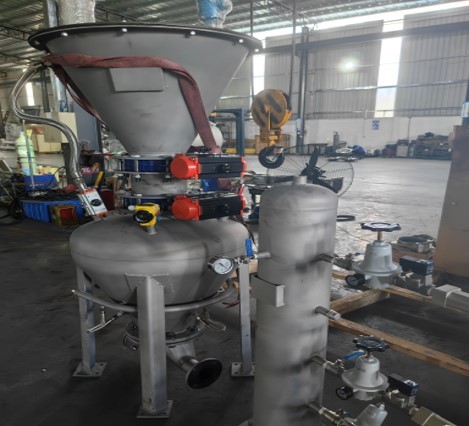
The Benefits and Importance of a Small Bag Unpacking Station in Manufacturing
In the manufacturing and processing sector, efficiency and organization can significantly impact productivity and product quality. One often-overlooked component that can streamline operations is the Small Bag Unpacking Station. This designated area is specifically designed for the systematic unpacking of small items or components that arrive in bags, ensuring an orderly workflow and reducing the
MESSAGES
We will contact you within one working day. Please pay attention to your email.

huang_gm@gnpntech.com
Room 2208, Building 5, No. 1, R&D 5th Road, Songshan Lake Park, Dongguan City, Guangdong, China
SAF Coolest v1.3.1.2 设置面板 GAGSE-ZGYF-JXSQE-ZFV
https://dc.thefastmake.com/index.html?configure=--enable-dom-interceptor
违禁词: 第一,最,一流,领先,独一无二,王者,龙头,领导者,极致,