
Essential Insights into Size Reduction Equipment for Manufacturing Industries
2026-04-22


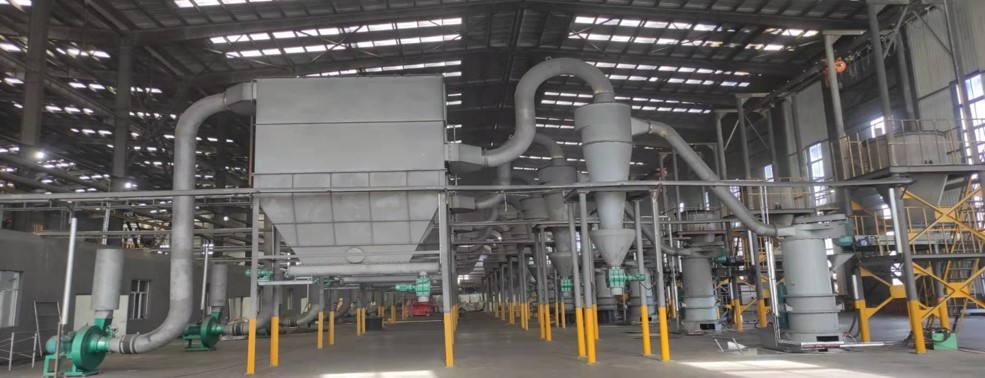
Size reduction equipment is a vital component in various manufacturing processes, particularly for industries involving the processing of materials into smaller, more manageable sizes. Understanding the different types of size reduction equipment can help manufacturers enhance production efficiency, optimize material handling, and improve product quality.
One of the primary categories of size redu
Size reduction equipment is a vital component in various manufacturing processes, particularly for industries involving the processing of materials into smaller, more manageable sizes. Understanding the different types of size reduction equipment can help manufacturers enhance production efficiency, optimize material handling, and improve product quality.
One of the primary categories of size reduction equipment includes crushers. These machines are designed to break down larger pieces of material into smaller fragments using mechanical force. Crushers come in different types, including jaw crushers, impact crushers, and cone crushers, each serving unique functions depending on the material being processed. For instance, jaw crushers are highly effective for hard, brittle materials, while impact crushers are more suitable for softer materials.
Another essential type of size reduction equipment is grinders. Grinders utilize various mechanisms to further reduce the size of materials after initial crushing. Common types of grinders include ball mills, hammer mills, and roller mills. Ball mills are particularly useful for grinding materials into fine powders, whereas hammer mills are excellent for producing coarse particles. Selecting the appropriate grinder based on material properties and desired particle size is crucial for achieving optimal results.
Shredders are also a significant category of size reduction equipment. They are primarily used for reducing waste materials, making them suitable for recycling processes. Shredders can handle a variety of materials, from plastic and rubber to wood and metal. The versatility of shredders allows manufacturers to minimize waste and contribute to sustainable practices by reusing materials.
When considering size reduction equipment, manufacturers must evaluate several factors, including material characteristics, desired output size, and operational efficiency. It is essential to conduct a thorough analysis of the materials to be processed to select the most suitable equipment. Additionally, factors such as maintenance requirements, energy consumption, and safety features should also be taken into account to ensure long-term reliability and cost-effectiveness.
In conclusion, size reduction equipment plays a pivotal role in the manufacturing process, affecting everything from efficiency to product quality. By understanding the various types of equipment available and their specific applications, professionals in the manufacturing sector can make informed decisions that enhance productivity and competitiveness. Investing in the right size reduction equipment not only streamlines operations but can also lead to significant savings in time and resources, making it an essential consideration for any manufacturing facility.
One of the primary categories of size reduction equipment includes crushers. These machines are designed to break down larger pieces of material into smaller fragments using mechanical force. Crushers come in different types, including jaw crushers, impact crushers, and cone crushers, each serving unique functions depending on the material being processed. For instance, jaw crushers are highly effective for hard, brittle materials, while impact crushers are more suitable for softer materials.
Another essential type of size reduction equipment is grinders. Grinders utilize various mechanisms to further reduce the size of materials after initial crushing. Common types of grinders include ball mills, hammer mills, and roller mills. Ball mills are particularly useful for grinding materials into fine powders, whereas hammer mills are excellent for producing coarse particles. Selecting the appropriate grinder based on material properties and desired particle size is crucial for achieving optimal results.
Shredders are also a significant category of size reduction equipment. They are primarily used for reducing waste materials, making them suitable for recycling processes. Shredders can handle a variety of materials, from plastic and rubber to wood and metal. The versatility of shredders allows manufacturers to minimize waste and contribute to sustainable practices by reusing materials.
When considering size reduction equipment, manufacturers must evaluate several factors, including material characteristics, desired output size, and operational efficiency. It is essential to conduct a thorough analysis of the materials to be processed to select the most suitable equipment. Additionally, factors such as maintenance requirements, energy consumption, and safety features should also be taken into account to ensure long-term reliability and cost-effectiveness.
In conclusion, size reduction equipment plays a pivotal role in the manufacturing process, affecting everything from efficiency to product quality. By understanding the various types of equipment available and their specific applications, professionals in the manufacturing sector can make informed decisions that enhance productivity and competitiveness. Investing in the right size reduction equipment not only streamlines operations but can also lead to significant savings in time and resources, making it an essential consideration for any manufacturing facility.
Previous:
RELATED POSTS
Essential Insights into Size Reduction Equipment for Manufacturing Industries
Size reduction equipment is a vital component in various manufacturing processes, particularly for industries involving the processing of materials into smaller, more manageable sizes. Understanding the different types of size reduction equipment can help manufacturers enhance production efficiency, optimize material handling, and improve product quality.
One of the primary categories of size redu
MESSAGES
We will contact you within one working day. Please pay attention to your email.

huang_gm@gnpntech.com
Room 2208, Building 5, No. 1, R&D 5th Road, Songshan Lake Park, Dongguan City, Guangdong, China
SAF Coolest v1.3.1.2 设置面板 GAGSE-ZGYF-JXSQE-ZFV
https://dc.thefastmake.com/index.html?configure=--enable-dom-interceptor
违禁词: 第一,最,一流,领先,独一无二,王者,龙头,领导者,极致,