
Stacking Machines in Action: Real-World Examples and Benefits
2026-04-21


Stacking Machines in Action: Real-World Examples and Benefits
Understanding Stacking Machines
Stacking machines are advanced pieces of equipment designed to automate the process of stacking products in an organized manner. These machines play a crucial role in various industries, including manufacturing, logistics, and distribution. By enhancing efficiency and reducing labor costs, stacking mach
Stacking Machines in Action: Real-World Examples and Benefits
Understanding Stacking Machines
Stacking machines are advanced pieces of equipment designed to automate the process of stacking products in an organized manner. These machines play a crucial role in various industries, including manufacturing, logistics, and distribution. By enhancing efficiency and reducing labor costs, stacking machines represent a significant advancement in production technology.
How Stacking Machines Function
The operation of stacking machines can differ based on the specific application and industry. Generally, they employ a series of mechanical components such as conveyors, robotic arms, and automated lift systems to manage the stacking process. Here’s a breakdown of how they work:
1. **Product Delivery**: Items are transported to the stacking machine through conveyor belts or other automated systems.
2. **Orientation**: The machine uses sensors and guides to position the products correctly for stacking.
3. **Stacking Process**: The machine utilizes robotic arms or other mechanisms to stack products in a predefined configuration, optimizing space and stability.
4. **Quality Control**: Advanced stacking machines incorporate quality control measures to ensure each stack meets specific standards.
Types of Stacking Machines
There are several types of stacking machines, each tailored to specific applications. The most common types include:
- **Pallet Stacking Machines**: Designed to stack goods on pallets for safe transportation.
- **Box Stacking Machines**: Ideal for stacking boxes or cartons, often used in warehouses.
- **Automated Stacking Systems**: These systems employ robotics and AI to handle various products with precision.
Real-World Applications of Stacking Machines
Stacking machines are widely utilized across different industries. Below are some notable real-world applications demonstrating their impact on operational efficiency.
1. Food and Beverage Industry
In the food and beverage sector, stacking machines facilitate the efficient handling of products ranging from packaged goods to bulk items. For instance, a prominent beverage manufacturer employs an automated stacking system to arrange bottles on pallets. This automation has led to a **30% increase in productivity** and significantly reduced manual labor costs.
2. Automotive Manufacturing
The automotive industry benefits from stacking machines that handle various components, from tires to assembled parts. A leading automotive manufacturer uses a pallet stacking machine to optimize the storage of parts. This system not only saves space but also reduces the time workers spend searching for components, ultimately speeding up assembly lines.
3. Pharmaceutical Sector
Pharmaceutical companies rely on stacking machines to manage sensitive products that require precise handling. For example, a global pharmaceutical firm utilizes a box stacking machine for packaging medications. This automation enhances safety by minimizing human error and ensures that products are stored securely.
4. Warehousing and Distribution Centers
Stacking machines are essential for optimizing space in warehouses and distribution centers. A logistics company implemented an automated stacking system that maximizes vertical space, allowing for more goods to be stored efficiently. This improvement has streamlined their operations, reducing transportation costs by **20%**.
Benefits of Implementing Stacking Machines
The advantages of stacking machines are evident across various sectors. Below are some key benefits that organizations experience when integrating these machines into their operations.
Enhanced Efficiency
Stacking machines automate repetitive tasks, allowing for faster processing times. This increased efficiency translates into higher output and lower operational costs.
Reduced Labor Costs
By minimizing manual handling, stacking machines significantly reduce labor costs. With fewer workers required for stacking tasks, companies can allocate resources more effectively.
Improved Safety
Automating the stacking process reduces the risk of injury associated with manual handling. Workers are less likely to experience musculoskeletal injuries, ensuring a safer workplace.
Space Optimization
Stacking machines allow for vertical stacking, maximizing storage efficiency. This space optimization is critical in industries where real estate costs are high.
Consistent Quality Control
Automated machines maintain consistent stacking patterns, which is crucial for product stability during transportation. This consistency helps prevent damage and ensures that products reach their destinations in excellent condition.
Key Considerations When Choosing a Stacking Machine
Selecting the right stacking machine involves several considerations:
1. Type of Products
Identify the types of products you need to stack. Different machines are designed for specific product dimensions and weights.
2. Volume of Production
Consider your production volume. Higher volumes may require more advanced, automated systems that can handle large quantities efficiently.
3. Space Availability
Evaluate your facility’s layout and available space. Ensure that the stacking machine can fit within your operational area without compromising workflow.
4. Budget Constraints
Budget is a crucial factor when selecting machinery. Assess the total cost of ownership, including maintenance and energy consumption, alongside the initial investment.
5. Integration with Existing Systems
Ensure that the stacking machine can seamlessly integrate with your current production and warehousing systems. Compatibility with other equipment can enhance overall efficiency.
Future Trends in Stacking Machines
As technology advances, the capabilities of stacking machines continue to evolve. Here are several trends shaping the future of these machines:
1. AI and Machine Learning Integration
The integration of artificial intelligence and machine learning algorithms will enhance the efficiency and adaptability of stacking machines. These systems will learn from operational data to optimize stacking patterns and reduce waste.
2. Enhanced Robotics
Advancements in robotic technology will lead to more agile stacking machines capable of handling a wider variety of products. This versatility will be crucial for industries with diverse product lines.
3. Sustainability Initiatives
The push for sustainability will influence the design of stacking machines. Future machines will likely focus on energy efficiency and the use of eco-friendly materials.
4. Smart Technology Integration
Smart technology, including IoT connectivity, will enable real-time monitoring and control of stacking operations. This integration will facilitate predictive maintenance and enhance operational oversight.
FAQs About Stacking Machines
1. What industries benefit most from stacking machines?
Industries such as food and beverage, automotive, pharmaceuticals, and logistics benefit greatly from stacking machines due to their need for efficient product handling.
2. How do stacking machines improve workplace safety?
By automating the stacking process, these machines reduce the need for manual handling, which lowers the risk of injuries related to repetitive lifting and awkward postures.
3. What factors should I consider before purchasing a stacking machine?
Consider the type of products, production volume, available space, budget, and compatibility with existing systems before making a purchase decision.
4. Can stacking machines handle custom products?
Yes, many advanced stacking machines can be customized to accommodate a range of product sizes and shapes, making them versatile for various applications.
5. What is the average cost of a stacking machine?
The cost of stacking machines varies widely based on features and capabilities, ranging from several thousand to hundreds of thousands of dollars. It’s important to assess your specific needs and budget.
Conclusion
Stacking machines represent a significant advancement in manufacturing and logistics, demonstrating their value through enhanced efficiency, reduced labor costs, and improved safety. As technology continues to evolve, the capabilities of these machines will become even more sophisticated, paving the way for greater productivity across various industries. Investing in stacking machines is not merely a matter of upgrading equipment; it’s a strategic decision that can drive operational excellence and long-term success.
Previous
Previous:
RELATED POSTS
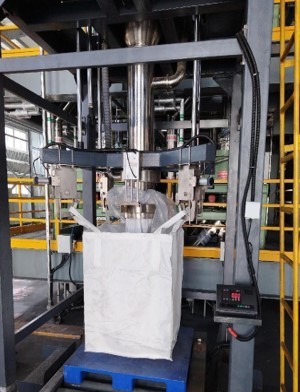
Stacking Machines in Action: Real-World Examples and Benefits
Stacking Machines in Action: Real-World Examples and Benefits
Understanding Stacking Machines
Stacking machines are advanced pieces of equipment designed to automate the process of stacking products in an organized manner. These machines play a crucial role in various industries, including manufacturing, logistics, and distribution. By enhancing efficiency and reducing labor costs, stacking mach
MESSAGES
We will contact you within one working day. Please pay attention to your email.

huang_gm@gnpntech.com
Room 2208, Building 5, No. 1, R&D 5th Road, Songshan Lake Park, Dongguan City, Guangdong, China
SAF Coolest v1.3.1.2 设置面板 GAGSE-ZGYF-JXSQE-ZFV
https://dc.thefastmake.com/index.html?configure=--enable-dom-interceptor
违禁词: 第一,最,一流,领先,独一无二,王者,龙头,领导者,极致,