
Understanding Size Reduction Equipment: A Key Component in Manufacturing Processes
2026-05-04


Size reduction equipment refers to a variety of machines and devices specifically designed to reduce the size of materials, such as solids, granules, or powders. This equipment is essential in numerous applications across various industries, including pharmaceuticals, food processing, and recycling, where particle size can significantly impact the efficiency of downstream processes and final produ
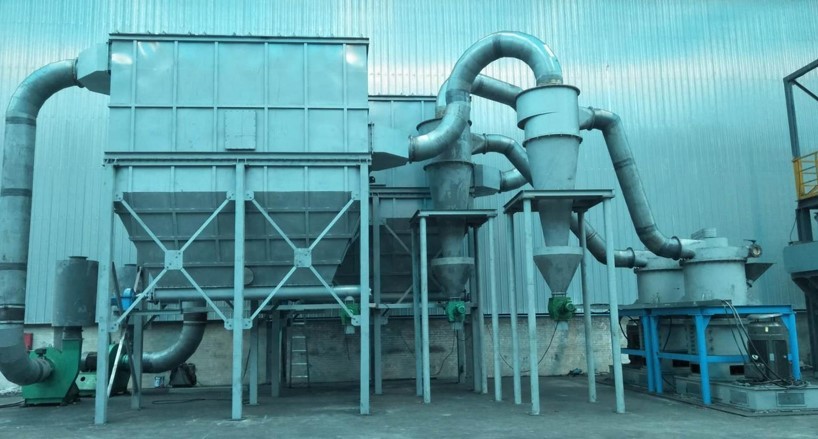
Size reduction equipment refers to a variety of machines and devices specifically designed to reduce the size of materials, such as solids, granules, or powders. This equipment is essential in numerous applications across various industries, including pharmaceuticals, food processing, and recycling, where particle size can significantly impact the efficiency of downstream processes and final product quality.
The primary types of size reduction equipment include crushers, grinders, and mills, each serving distinct functions based on the material properties and the desired outcome. Crushers are typically used for breaking down larger materials into smaller pieces, a necessary first step in many processing lines. They can handle a variety of materials, including rocks, ores, and larger agricultural products. Grinders and mills, on the other hand, are designed for more refined size reduction, turning medium-sized particles into fine powders.
One of the most crucial considerations when selecting size reduction equipment is the material type. Different materials exhibit varying degrees of hardness, moisture content, and brittleness, which can influence the choice of equipment. For instance, brittle materials like ceramics may be efficiently processed using hammer mills, while tougher materials like metals may require more robust crushing solutions.
Operational efficiency is another significant factor when dealing with size reduction equipment. The energy consumption and maintenance requirements can vary widely between different machines. Therefore, understanding the total cost of ownership, including energy costs and the frequency of maintenance, is essential for manufacturers looking to optimize their processes.
Moreover, advancements in technology have led to the development of more sophisticated size reduction equipment that incorporates features such as automation and real-time monitoring. These innovations can enhance operational reliability and reduce downtime, ultimately leading to improved production efficiency.
In summary, size reduction equipment is a vital component in the manufacturing and processing industries. By selecting the appropriate equipment for specific material characteristics and processing needs, manufacturers can achieve greater efficiency and product quality. As industries continue to evolve, staying informed about the latest advancements in size reduction technology will be crucial for maintaining a competitive edge. For those looking to optimize their manufacturing processes, an in-depth understanding of size reduction equipment is essential.
The primary types of size reduction equipment include crushers, grinders, and mills, each serving distinct functions based on the material properties and the desired outcome. Crushers are typically used for breaking down larger materials into smaller pieces, a necessary first step in many processing lines. They can handle a variety of materials, including rocks, ores, and larger agricultural products. Grinders and mills, on the other hand, are designed for more refined size reduction, turning medium-sized particles into fine powders.
One of the most crucial considerations when selecting size reduction equipment is the material type. Different materials exhibit varying degrees of hardness, moisture content, and brittleness, which can influence the choice of equipment. For instance, brittle materials like ceramics may be efficiently processed using hammer mills, while tougher materials like metals may require more robust crushing solutions.
Operational efficiency is another significant factor when dealing with size reduction equipment. The energy consumption and maintenance requirements can vary widely between different machines. Therefore, understanding the total cost of ownership, including energy costs and the frequency of maintenance, is essential for manufacturers looking to optimize their processes.
Moreover, advancements in technology have led to the development of more sophisticated size reduction equipment that incorporates features such as automation and real-time monitoring. These innovations can enhance operational reliability and reduce downtime, ultimately leading to improved production efficiency.
In summary, size reduction equipment is a vital component in the manufacturing and processing industries. By selecting the appropriate equipment for specific material characteristics and processing needs, manufacturers can achieve greater efficiency and product quality. As industries continue to evolve, staying informed about the latest advancements in size reduction technology will be crucial for maintaining a competitive edge. For those looking to optimize their manufacturing processes, an in-depth understanding of size reduction equipment is essential.
RELATED POSTS
Understanding Size Reduction Equipment: A Key Component in Manufacturing Processes
Size reduction equipment refers to a variety of machines and devices specifically designed to reduce the size of materials, such as solids, granules, or powders. This equipment is essential in numerous applications across various industries, including pharmaceuticals, food processing, and recycling, where particle size can significantly impact the efficiency of downstream processes and final produ

MESSAGES
We will contact you within one working day. Please pay attention to your email.

huang_gm@gnpntech.com
Room 2208, Building 5, No. 1, R&D 5th Road, Songshan Lake Park, Dongguan City, Guangdong, China
SAF Coolest v1.3.1.2 设置面板 GAGSE-ZGYF-JXSQE-ZFV
https://dc.thefastmake.com/index.html?configure=--enable-dom-interceptor
违禁词: 第一,最,一流,领先,独一无二,王者,龙头,领导者,极致,