
Understanding VC Mixers: Essential Insights for Manufacturing Professionals
2026-04-12


VC mixers, also known as vertical conical mixers, are essential tools in various manufacturing and processing applications. They offer a unique blend of efficiency and versatility, making them suitable for a wide range of industries including food, pharmaceuticals, and chemicals. Understanding how VC mixers work and their benefits can significantly impact production efficiency and product quality.
VC mixers, also known as vertical conical mixers, are essential tools in various manufacturing and processing applications. They offer a unique blend of efficiency and versatility, making them suitable for a wide range of industries including food, pharmaceuticals, and chemicals. Understanding how VC mixers work and their benefits can significantly impact production efficiency and product quality.
A VC mixer operates by utilizing a conical mixing chamber where the products being mixed are introduced. The vertical design of the mixer allows for gravity to assist in the blending process. As materials are added to the top, they descend into the cone, creating a gentle but effective mixing action. This design minimizes the risk of damage to sensitive materials while ensuring uniformity in the mix.
One of the key advantages of a VC mixer is its ability to handle materials with varying densities and particle sizes. This feature is particularly beneficial in manufacturing processes where consistency is crucial. The gentle mixing action reduces the likelihood of friction, which can generate heat and alter the properties of the materials being processed. Therefore, VC mixers are ideal for handling fragile substances or those that require precise mixing without the risk of degradation.
In addition to their mixing capabilities, VC mixers are also designed for easy cleaning and maintenance. Their construction often allows for disassembly and thorough cleaning, which is vital in industries requiring stringent hygiene standards. This feature not only streamlines operations but also aids in compliance with regulations, thereby enhancing the overall efficiency of the manufacturing process.
When considering the implementation of a VC mixer in a manufacturing setting, it is important to evaluate the specific requirements of the materials being processed. Factors such as batch size, desired mixing time, and the physical properties of the materials can all influence the choice of mixer. Furthermore, the mixer’s capacity to integrate with existing production lines should also be assessed, as this can significantly affect workflow and productivity.
In conclusion, VC mixers represent a vital component in the landscape of manufacturing machinery. Their unique design and operational benefits make them an excellent choice for professionals aiming to optimize their processes. By understanding the functionalities and advantages of VC mixers, manufacturers can make informed decisions that lead to enhanced efficiency, improved product quality, and compliance with industry standards. Embracing this technology can pave the way for innovation and success in the manufacturing sector.
A VC mixer operates by utilizing a conical mixing chamber where the products being mixed are introduced. The vertical design of the mixer allows for gravity to assist in the blending process. As materials are added to the top, they descend into the cone, creating a gentle but effective mixing action. This design minimizes the risk of damage to sensitive materials while ensuring uniformity in the mix.
One of the key advantages of a VC mixer is its ability to handle materials with varying densities and particle sizes. This feature is particularly beneficial in manufacturing processes where consistency is crucial. The gentle mixing action reduces the likelihood of friction, which can generate heat and alter the properties of the materials being processed. Therefore, VC mixers are ideal for handling fragile substances or those that require precise mixing without the risk of degradation.
In addition to their mixing capabilities, VC mixers are also designed for easy cleaning and maintenance. Their construction often allows for disassembly and thorough cleaning, which is vital in industries requiring stringent hygiene standards. This feature not only streamlines operations but also aids in compliance with regulations, thereby enhancing the overall efficiency of the manufacturing process.
When considering the implementation of a VC mixer in a manufacturing setting, it is important to evaluate the specific requirements of the materials being processed. Factors such as batch size, desired mixing time, and the physical properties of the materials can all influence the choice of mixer. Furthermore, the mixer’s capacity to integrate with existing production lines should also be assessed, as this can significantly affect workflow and productivity.
In conclusion, VC mixers represent a vital component in the landscape of manufacturing machinery. Their unique design and operational benefits make them an excellent choice for professionals aiming to optimize their processes. By understanding the functionalities and advantages of VC mixers, manufacturers can make informed decisions that lead to enhanced efficiency, improved product quality, and compliance with industry standards. Embracing this technology can pave the way for innovation and success in the manufacturing sector.
RELATED POSTS
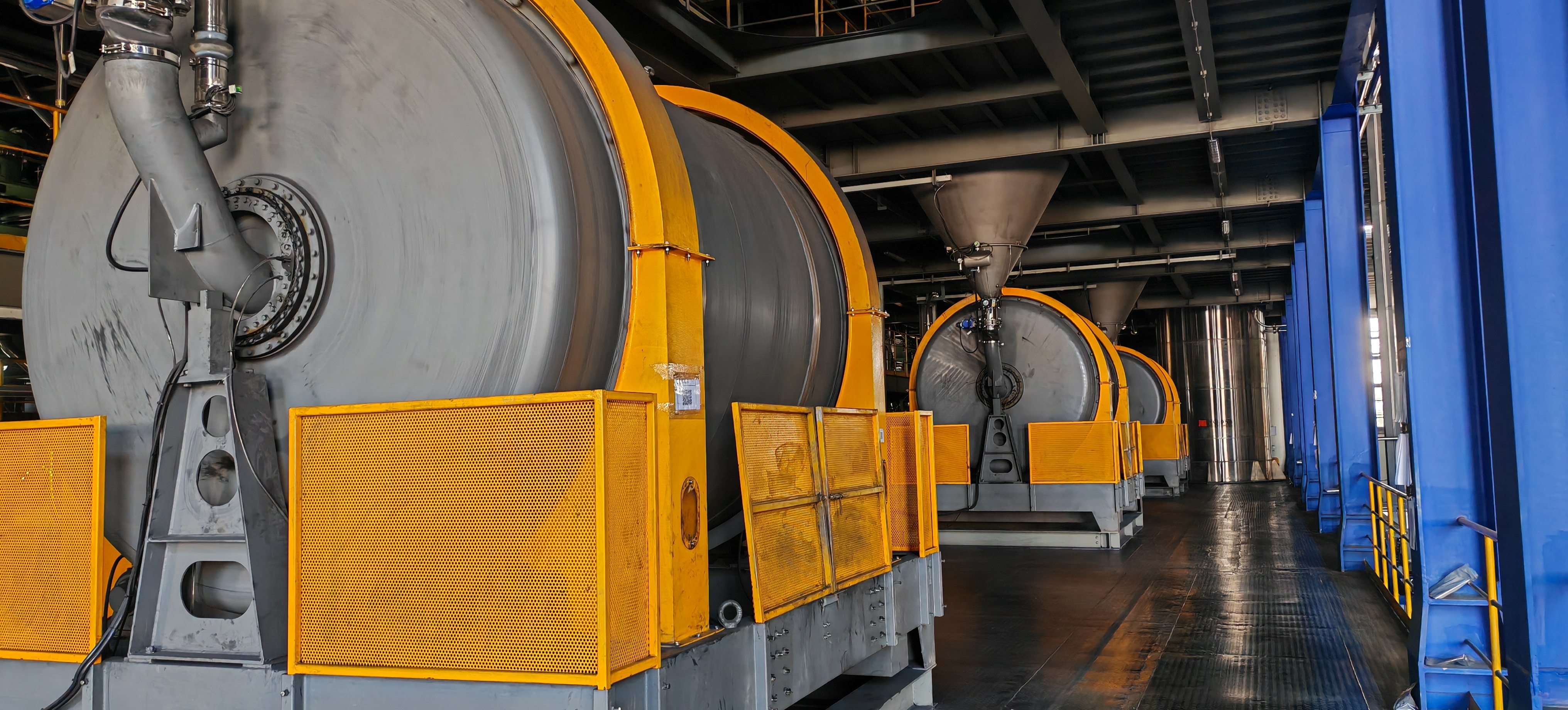
Understanding VC Mixers: Essential Insights for Manufacturing Professionals
VC mixers, also known as vertical conical mixers, are essential tools in various manufacturing and processing applications. They offer a unique blend of efficiency and versatility, making them suitable for a wide range of industries including food, pharmaceuticals, and chemicals. Understanding how VC mixers work and their benefits can significantly impact production efficiency and product quality.

MESSAGES
We will contact you within one working day. Please pay attention to your email.

huang_gm@gnpntech.com
Room 2208, Building 5, No. 1, R&D 5th Road, Songshan Lake Park, Dongguan City, Guangdong, China
SAF Coolest v1.3.1.2 设置面板 GAGSE-ZGYF-JXSQE-ZFV
https://dc.thefastmake.com/index.html?configure=--enable-dom-interceptor
违禁词: 第一,最,一流,领先,独一无二,王者,龙头,领导者,极致,