
The Hidden Impact of Auxiliary Systems on Battery Line Efficiency
2026-03-18


The Hidden Impact of Auxiliary Systems on Battery Line Efficiency
Introduction to Auxiliary Systems in Battery Manufacturing
In the rapidly growing battery manufacturing sector, efficiency is a key determinant of success. While most discussions focus on the primary production lines, it is essential to understand the **hidden impact** of auxiliary systems. These systems, often considered secondary,
The Hidden Impact of Auxiliary Systems on Battery Line Efficiency
Introduction to Auxiliary Systems in Battery Manufacturing
In the rapidly growing battery manufacturing sector, efficiency is a key determinant of success. While most discussions focus on the primary production lines, it is essential to understand the **hidden impact** of auxiliary systems. These systems, often considered secondary, play a crucial role in optimizing performance, ensuring quality, and enhancing production capabilities.
Understanding Auxiliary Systems
What Are Auxiliary Systems?
Auxiliary systems refer to the supporting mechanisms and technologies that help streamline the primary manufacturing processes. These include systems for material handling, quality control, waste management, and equipment maintenance. Their primary function is to enhance the overall productivity of the battery manufacturing process.
The Role of Auxiliary Systems in Battery Production
Every battery production line relies on multiple auxiliary systems that contribute to seamless operations. For instance, **transportation systems** facilitate the movement of materials between various stages of production, while **temperature control systems** play a vital role in maintaining optimal conditions during chemical processes.
The Types of Auxiliary Systems Impacting Battery Line Efficiency
Material Handling Systems
Efficient material handling systems reduce downtime and ensure a steady flow of components throughout the production line. Automated guided vehicles (AGVs) and conveyor systems are examples that improve logistics, allowing for quicker response times and higher throughput.
Quality Control Systems
Quality control is paramount in battery production. Auxiliary systems equipped with real-time monitoring capabilities enable manufacturers to detect defects early in the process, minimizing waste and ensuring that only high-quality products reach the market.
Environmental Control Systems
The production of batteries involves various chemical processes sensitive to environmental conditions. Auxiliary environmental control systems maintain optimal humidity and temperature levels, which are critical for maintaining product integrity and performance.
Maintenance and Support Systems
Regular maintenance is vital for minimizing equipment downtime. Auxiliary systems designed for predictive maintenance utilize data analytics and IoT technologies to forecast potential failures, ensuring timely interventions and prolonging the lifespan of critical machinery.
Benefits of Optimizing Auxiliary Systems for Battery Line Efficiency
Increased Production Speed
By optimizing auxiliary systems, manufacturers can increase the speed of production lines. For example, an efficient material handling system can significantly reduce delays associated with material transport, which translates to higher output rates.
Enhanced Quality Assurance
With integrated quality control systems, companies can achieve higher levels of product consistency and reliability. This reduces the likelihood of recalls and enhances customer satisfaction, ultimately strengthening brand reputation.
Cost Reduction
Optimization of auxiliary systems leads to significant cost savings. By reducing waste, improving energy efficiency, and minimizing downtime, manufacturers can lower operational costs, which is crucial in a highly competitive market.
Flexibility and Scalability
Auxiliary systems designed with scalability in mind allow manufacturers to adapt to changing market demands efficiently. This flexibility is essential for companies looking to expand their production capabilities without extensive infrastructure changes.
Key Technologies Driving Auxiliary Systems Innovation
Automation and Robotics
The integration of automation and robotics in auxiliary systems has transformed battery manufacturing. Automated systems enhance precision, reduce human errors, and facilitate faster production cycles, ultimately boosting overall efficiency.
Data Analytics and IoT
The use of data analytics and the Internet of Things (IoT) in auxiliary systems enables real-time monitoring and analysis of production processes. This data-driven approach provides insights for continuous improvement and proactive decision-making.
Artificial Intelligence
Artificial intelligence (AI) is revolutionizing how auxiliary systems operate. From predictive maintenance algorithms to intelligent quality control measures, AI enhances the ability to optimize processes and improve efficiency significantly.
Challenges in Implementing Auxiliary Systems
Integration Complexity
Integrating new auxiliary systems with existing production lines can be complex and costly. Manufacturers must carefully plan and execute these changes to minimize disruption.
Training and Adaptation
As technology evolves, so do the skills required to operate and maintain auxiliary systems. Training employees to effectively use new systems is critical for achieving the desired efficiency gains.
Initial Investment Costs
While the long-term benefits of optimizing auxiliary systems are substantial, the initial investment can be significant. Manufacturers must conduct thorough cost-benefit analyses to justify these expenses.
Best Practices for Optimizing Auxiliary Systems
Conduct a Comprehensive Needs Assessment
Before implementing any new systems, it’s essential to conduct a thorough assessment of current operations. Understanding where inefficiencies lie will help prioritize areas for improvement.
Invest in Employee Training
Empower your workforce by providing training on new technologies and systems. Well-trained employees are more likely to effectively utilize auxiliary systems, leading to better production outcomes.
Utilize Data-Driven Decision Making
Incorporate data analytics into your decision-making processes to identify trends, predict issues, and enhance overall system performance. Leveraging real-time data can significantly improve operational efficiency.
Future Trends in Auxiliary Systems for Battery Manufacturing
Sustainability and Eco-Friendly Practices
As environmental concerns continue to grow, manufacturers are focusing on sustainable practices. Auxiliary systems that prioritize waste reduction and energy efficiency will be crucial in meeting regulatory requirements and consumer expectations.
Advanced Robotics and Automation
The future of battery manufacturing will likely see increased reliance on advanced robotics, enabling even greater levels of automation in auxiliary systems. This transition will further streamline operations and reduce costs.
Enhanced Connectivity and Smart Manufacturing
The move toward smart manufacturing will see auxiliary systems becoming increasingly interconnected. Enhanced connectivity will allow for better data sharing, collaboration, and overall efficiency.
Conclusion
The impact of auxiliary systems on battery line efficiency cannot be overstated. As we delve deeper into the intricacies of battery manufacturing, recognizing and optimizing these systems proves essential for enhancing productivity, ensuring quality, and driving down costs. By investing in advanced technologies and adopting best practices, manufacturers can significantly improve their operational efficiency, positioning themselves favorably in an increasingly competitive market.
FAQs
What are auxiliary systems in battery manufacturing?
Auxiliary systems are the supporting mechanisms that enhance the primary production processes in battery manufacturing. They include material handling, quality control, environmental controls, and maintenance systems.
How do auxiliary systems improve efficiency?
Auxiliary systems streamline operations, reduce downtime, and enhance product quality, which collectively contribute to increased production speed and reduced costs.
What technologies are utilized in auxiliary systems?
Key technologies include automation, robotics, data analytics, IoT, and AI, which all contribute to optimizing the performance of auxiliary systems in battery manufacturing.
What are the challenges of implementing auxiliary systems?
Challenges include integration complexity, the need for employee training, and initial investment costs, all of which must be managed carefully.
How can manufacturers optimize their auxiliary systems?
Manufacturers can optimize auxiliary systems by conducting needs assessments, investing in employee training, and leveraging data-driven decision-making processes.
By focusing on the hidden impact of auxiliary systems, battery manufacturers can unlock new levels of efficiency, quality, and profitability, ensuring they remain competitive in this fast-evolving industry.
RELATED POSTS
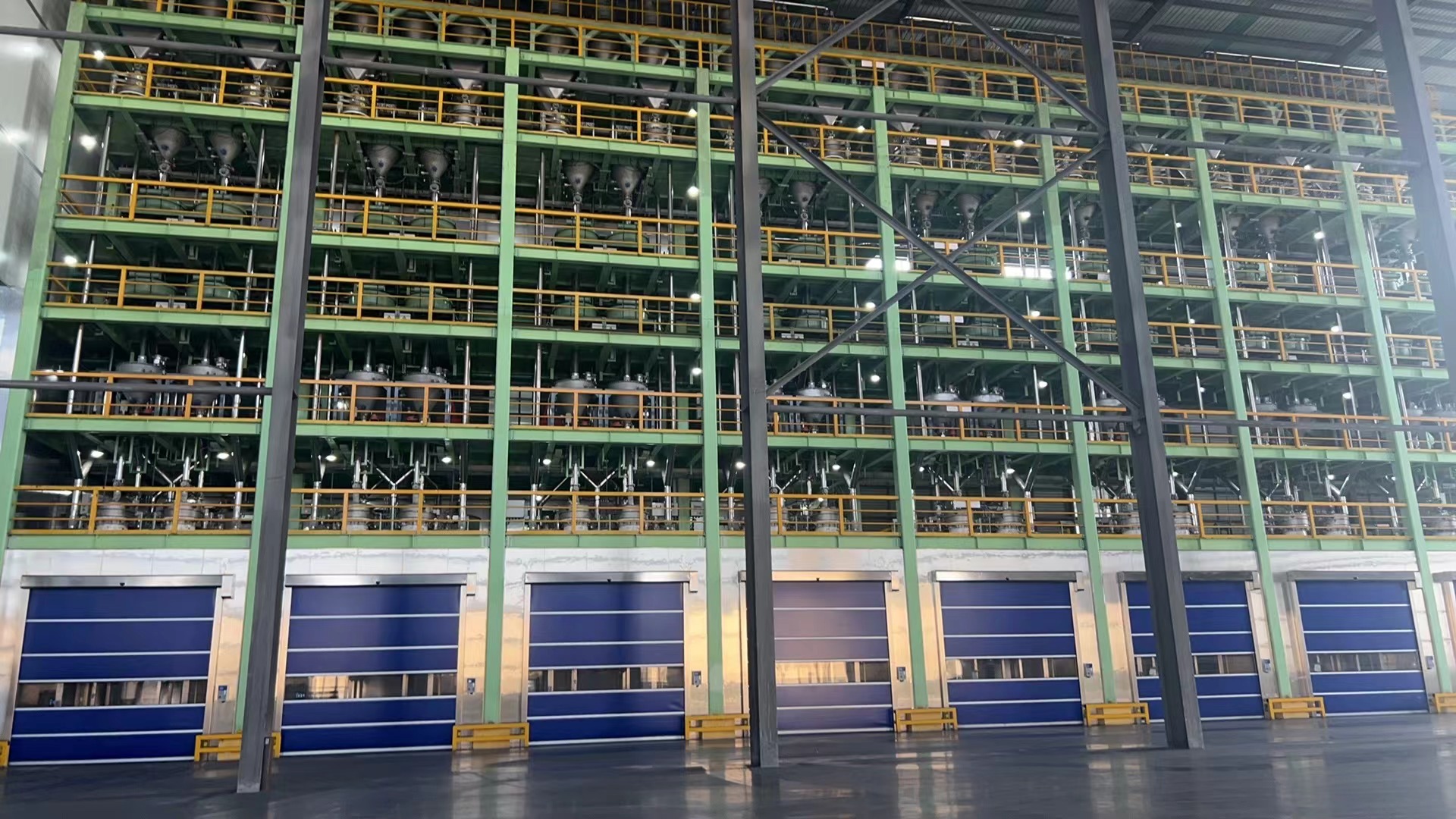
The Hidden Impact of Auxiliary Systems on Battery Line Efficiency
The Hidden Impact of Auxiliary Systems on Battery Line Efficiency
Introduction to Auxiliary Systems in Battery Manufacturing
In the rapidly growing battery manufacturing sector, efficiency is a key determinant of success. While most discussions focus on the primary production lines, it is essential to understand the **hidden impact** of auxiliary systems. These systems, often considered secondary,
MESSAGES
We will contact you within one working day. Please pay attention to your email.

huang_gm@gnpntech.com
Room 2208, Building 5, No. 1, R&D 5th Road, Songshan Lake Park, Dongguan City, Guangdong, China
SAF Coolest v1.3.1.2 设置面板 GAGSE-ZGYF-JXSQE-ZFV
https://dc.thefastmake.com/index.html?configure=--enable-dom-interceptor
违禁词: 第一,最,一流,领先,独一无二,王者,龙头,领导者,极致,