
Essential Insights into Size Reduction Equipment for the Manufacturing Industry
2026-03-17


In the manufacturing industry, size reduction equipment plays a pivotal role in optimizing production processes and enhancing product quality. This category of machinery is designed to reduce the size of materials, making them easier to handle, transport, and process. Size reduction is a fundamental step in various manufacturing processes, including the production of chemicals, plastics, and food
In the manufacturing industry, size reduction equipment plays a pivotal role in optimizing production processes and enhancing product quality. This category of machinery is designed to reduce the size of materials, making them easier to handle, transport, and process. Size reduction is a fundamental step in various manufacturing processes, including the production of chemicals, plastics, and food products.
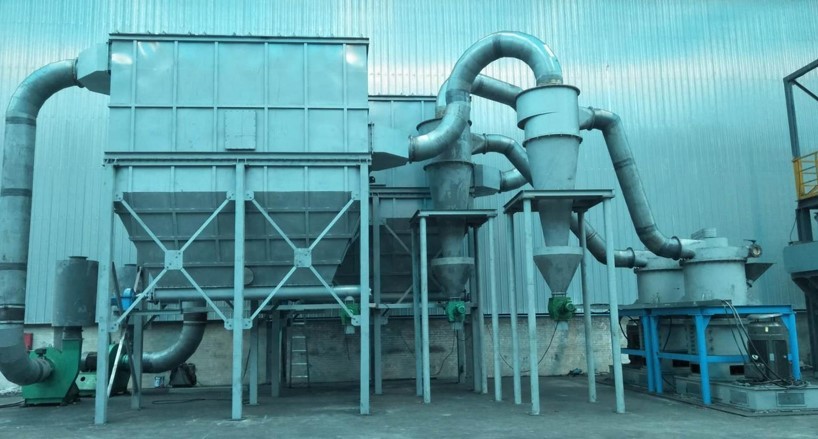
Size reduction equipment can be classified into several types, including crushers, grinders, and mills, each serving specific purposes. Crushers are primarily used for breaking down large materials into smaller pieces, while grinders focus on reducing particles to a finer consistency. Mills are versatile machines that can perform both crushing and grinding functions, making them essential for various applications.
When selecting size reduction equipment, several factors must be considered to ensure optimal performance and efficiency. The type of material being processed is crucial; different materials may require specific machinery to achieve the desired size reduction. For instance, harder materials may need more robust equipment, while softer materials can be processed using less intensive methods.
Another important consideration is the desired end product size. Understanding the specifications for the final product will help in selecting the appropriate equipment type and size. Additionally, the production volume is a key factor; high-demand applications may require more powerful machinery capable of handling larger loads efficiently.
Energy consumption is another important aspect to evaluate when choosing size reduction equipment. Efficient machines can significantly reduce operational costs, making it essential to consider energy-saving features. Moreover, the ease of maintenance and availability of spare parts should also be factored into the decision-making process to minimize downtime and ensure smooth operations.
Lastly, regulatory compliance and safety features cannot be overlooked. Size reduction equipment must meet industry standards to ensure safe operation and environmental protection. Investing in equipment that adheres to these regulations will not only enhance safety but also improve the overall credibility of the manufacturing operation.
In summary, size reduction equipment is a vital component in the manufacturing industry. By understanding the different types of machines available, evaluating the specific needs of your operation, and considering factors such as energy consumption and safety compliance, manufacturers can make informed decisions that drive efficiency and product quality in their processes.
Size reduction equipment can be classified into several types, including crushers, grinders, and mills, each serving specific purposes. Crushers are primarily used for breaking down large materials into smaller pieces, while grinders focus on reducing particles to a finer consistency. Mills are versatile machines that can perform both crushing and grinding functions, making them essential for various applications.
When selecting size reduction equipment, several factors must be considered to ensure optimal performance and efficiency. The type of material being processed is crucial; different materials may require specific machinery to achieve the desired size reduction. For instance, harder materials may need more robust equipment, while softer materials can be processed using less intensive methods.
Another important consideration is the desired end product size. Understanding the specifications for the final product will help in selecting the appropriate equipment type and size. Additionally, the production volume is a key factor; high-demand applications may require more powerful machinery capable of handling larger loads efficiently.
Energy consumption is another important aspect to evaluate when choosing size reduction equipment. Efficient machines can significantly reduce operational costs, making it essential to consider energy-saving features. Moreover, the ease of maintenance and availability of spare parts should also be factored into the decision-making process to minimize downtime and ensure smooth operations.
Lastly, regulatory compliance and safety features cannot be overlooked. Size reduction equipment must meet industry standards to ensure safe operation and environmental protection. Investing in equipment that adheres to these regulations will not only enhance safety but also improve the overall credibility of the manufacturing operation.
In summary, size reduction equipment is a vital component in the manufacturing industry. By understanding the different types of machines available, evaluating the specific needs of your operation, and considering factors such as energy consumption and safety compliance, manufacturers can make informed decisions that drive efficiency and product quality in their processes.
Previous:
RELATED POSTS
Essential Insights into Size Reduction Equipment for the Manufacturing Industry
In the manufacturing industry, size reduction equipment plays a pivotal role in optimizing production processes and enhancing product quality. This category of machinery is designed to reduce the size of materials, making them easier to handle, transport, and process. Size reduction is a fundamental step in various manufacturing processes, including the production of chemicals, plastics, and food
MESSAGES
We will contact you within one working day. Please pay attention to your email.

huang_gm@gnpntech.com
Room 2208, Building 5, No. 1, R&D 5th Road, Songshan Lake Park, Dongguan City, Guangdong, China
SAF Coolest v1.3.1.2 设置面板 GAGSE-ZGYF-JXSQE-ZFV
https://dc.thefastmake.com/index.html?configure=--enable-dom-interceptor
违禁词: 第一,最,一流,领先,独一无二,王者,龙头,领导者,极致,