
The Critical Role of Bulk Bag Unpacking Stations in Enhancing Supply Chain Efficiency
2026-03-14


The Critical Role of Bulk Bag Unpacking Stations in Enhancing Supply Chain Efficiency
Table of Contents
1. Introduction
2. Understanding Bulk Bag Unpacking Stations
3. Supply Chain Efficiency: An Overview
4. The Impact of Unpacking Stations on Supply Chain Processes
4.1. Streamlining Operations
4.2. Reducing Labor Costs
4.3. Minimizing Downtime
5. Key Features of Effective Bulk Bag Unpacking Stati
The Critical Role of Bulk Bag Unpacking Stations in Enhancing Supply Chain Efficiency
Table of Contents
1. Introduction
2. Understanding Bulk Bag Unpacking Stations
3. Supply Chain Efficiency: An Overview
4. The Impact of Unpacking Stations on Supply Chain Processes
4.1. Streamlining Operations
4.2. Reducing Labor Costs
4.3. Minimizing Downtime
5. Key Features of Effective Bulk Bag Unpacking Stations
5.1. Design Considerations
5.2. Automation and Technology Integration
5.3. Safety Features
6. Case Studies: Unpacking Stations in Action
6.1. Food Industry
6.2. Chemical Manufacturing
6.3. Construction Materials
7. Best Practices for Implementing Unpacking Stations
8. FAQs about Bulk Bag Unpacking Stations and Supply Chain Efficiency
9. Conclusion
1. Introduction
In today's competitive marketplace, efficiency is paramount. As businesses strive to enhance their supply chain operations, the role of **bulk bag unpacking stations** becomes increasingly critical. These specialized stations not only facilitate the unloading of bulk materials but also have a profound impact on overall supply chain performance. This article delves deep into the relationship between bulk bag unpacking stations and supply chain efficiency, highlighting how optimizing these processes can lead to substantial gains in productivity and cost savings.
2. Understanding Bulk Bag Unpacking Stations
Bulk bag unpacking stations are designed to manage the unloading of large quantities of materials stored in bulk bags, often ranging from 1,000 to 3,000 pounds. These stations are equipped with various features that ensure safe, efficient, and accurate unloading processes. From simple manual systems to fully automated setups, bulk bag unpacking stations are pivotal in handling materials like powders, granules, and other bulk commodities.
3. Supply Chain Efficiency: An Overview
Supply chain efficiency refers to the optimization of processes across the supply chain, from procurement to delivery. Efficient supply chains minimize waste, reduce costs, and enhance customer satisfaction by ensuring timely delivery of products. Key performance indicators (KPIs) for supply chain efficiency often include lead time, inventory turnover, and order accuracy. Understanding how bulk bag unpacking stations fit into this framework is essential for businesses aiming to improve their operations.
4. The Impact of Unpacking Stations on Supply Chain Processes
4.1. Streamlining Operations
Bulk bag unpacking stations streamline operations by enabling quick and efficient unloading of materials. This is crucial for industries where downtime can result in significant financial losses. By facilitating faster material handling, these stations help maintain production schedules and meet customer demands efficiently.
4.2. Reducing Labor Costs
Manual unloading of bulk bags can be labor-intensive and time-consuming. By implementing bulk bag unpacking stations, companies can reduce the need for extensive manual labor, thus lowering labor costs. Automation technology further enhances this benefit by allowing fewer employees to manage the unloading process, leading to increased labor efficiency.
4.3. Minimizing Downtime
Downtime is a major concern in supply chain management. Bulk bag unpacking stations help minimize downtime by ensuring that materials are available when needed. With a well-designed unpacking station, businesses can reduce waiting times and improve the flow of materials within their operations.
5. Key Features of Effective Bulk Bag Unpacking Stations
5.1. Design Considerations
The design of a bulk bag unpacking station plays a crucial role in its efficiency. Features like adjustable heights, ergonomic designs, and modular configurations can enhance user experience and operational flexibility. A well-designed station ensures that materials can be accessed and unloaded with minimal effort, thereby increasing productivity.
5.2. Automation and Technology Integration
Incorporating technology into bulk bag unpacking stations can significantly enhance efficiency. Automated systems can provide precise control over the unloading process, reducing the risk of errors and material wastage. Integration with inventory management systems allows for real-time tracking and optimization of material flow.
5.3. Safety Features
Safety must be a top priority in any bulk bag unpacking station. Features such as dust containment systems, safety interlocks, and fall protection measures ensure a safe working environment for employees. Investing in safety not only protects workers but also minimizes liability risks for companies.
6. Case Studies: Unpacking Stations in Action
6.1. Food Industry
In the food industry, bulk bag unpacking stations are essential for maintaining hygiene and efficiency. For example, a major food manufacturer implemented automated unpacking stations that reduced material transfer times by 30%, significantly improving their production cycles.
6.2. Chemical Manufacturing
A chemical manufacturer adopted a bulk bag unpacking station equipped with advanced safety features and automated controls. As a result, they achieved a 25% reduction in material handling errors, which led to decreased waste and enhanced compliance with safety regulations.
6.3. Construction Materials
In the construction sector, a company utilized bulk bag unpacking stations to streamline their supply chain operations. By reducing unloading times and improving material flow, they witnessed a 20% increase in project delivery speed, leading to higher customer satisfaction.
7. Best Practices for Implementing Unpacking Stations
To maximize the benefits of bulk bag unpacking stations, businesses should follow best practices that include:
1. **Conducting a Needs Assessment**: Understand the specific requirements of your operations to choose the right unpacking station design and technology.
2. **Investing in Training**: Ensure that employees are adequately trained to operate the unpacking stations safely and efficiently.
3. **Regular Maintenance**: Schedule regular maintenance checks to ensure that the unpacking stations function optimally.
4. **Collecting Feedback**: Gather feedback from employees on the efficiency of the unpacking process and make necessary adjustments.
5. **Continuous Improvement**: Stay informed about advancements in unpacking technology and practices to continuously enhance operations.
8. FAQs about Bulk Bag Unpacking Stations and Supply Chain Efficiency
What materials are commonly handled by bulk bag unpacking stations?
Bulk bag unpacking stations are designed to handle a variety of materials, including powders, granules, and pellets used across multiple industries, such as food, chemicals, and construction.
How do bulk bag unpacking stations improve safety?
These stations incorporate safety features such as dust containment systems, ergonomic designs, and safety interlocks that protect operators during the unloading process.
Can bulk bag unpacking stations be customized?
Yes, many bulk bag unpacking stations can be customized to fit specific operational needs, including height adjustments, automation features, and safety enhancements.
What are the benefits of automation in unpacking stations?
Automation in unpacking stations streamlines operations, reduces labor costs, minimizes errors, and improves overall productivity by facilitating faster unloading processes.
How can I evaluate the effectiveness of my bulk bag unpacking system?
Evaluate the effectiveness by monitoring key performance indicators (KPIs) such as unloading times, material handling errors, employee feedback, and overall impact on supply chain efficiency.
9. Conclusion
Bulk bag unpacking stations are vital components of modern supply chains, offering significant advantages in terms of efficiency, safety, and cost-effectiveness. By streamlining operations, reducing labor costs, and minimizing downtime, these stations enhance overall supply chain performance. As industries continue to evolve, investing in advanced unpacking solutions will be crucial for achieving operational excellence and maintaining a competitive edge. Embracing best practices and leveraging technology will further amplify the benefits, ensuring that businesses can respond swiftly to market demands while optimizing their supply chain processes.
RELATED POSTS
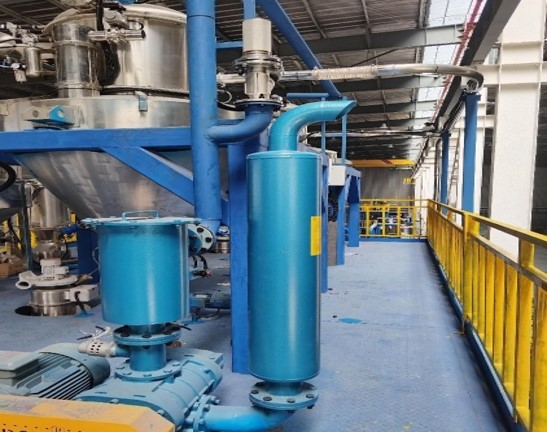
The Critical Role of Bulk Bag Unpacking Stations in Enhancing Supply Chain Efficiency
The Critical Role of Bulk Bag Unpacking Stations in Enhancing Supply Chain Efficiency
Table of Contents
1. Introduction
2. Understanding Bulk Bag Unpacking Stations
3. Supply Chain Efficiency: An Overview
4. The Impact of Unpacking Stations on Supply Chain Processes
4.1. Streamlining Operations
4.2. Reducing Labor Costs
4.3. Minimizing Downtime
5. Key Features of Effective Bulk Bag Unpacking Stati

MESSAGES
We will contact you within one working day. Please pay attention to your email.

huang_gm@gnpntech.com
Room 2208, Building 5, No. 1, R&D 5th Road, Songshan Lake Park, Dongguan City, Guangdong, China
SAF Coolest v1.3.1.2 设置面板 GAGSE-ZGYF-JXSQE-ZFV
https://dc.thefastmake.com/index.html?configure=--enable-dom-interceptor
违禁词: 第一,最,一流,领先,独一无二,王者,龙头,领导者,极致,