
Understanding Size Reduction Equipment: Key Insights for Manufacturing Professionals
2026-04-16


Size reduction equipment is essential in various manufacturing processes, especially in the production of smaller, more manageable materials from larger aggregates. This equipment is designed to break down materials into smaller sizes to facilitate easier handling, processing, and transportation. The efficiency of production processes can be significantly enhanced through the effective use of size
Size reduction equipment is essential in various manufacturing processes, especially in the production of smaller, more manageable materials from larger aggregates. This equipment is designed to break down materials into smaller sizes to facilitate easier handling, processing, and transportation. The efficiency of production processes can be significantly enhanced through the effective use of size reduction equipment, which serves various industries, including pharmaceuticals, food processing, plastics, and metals.
The primary types of size reduction equipment include crushers, grinders, shredders, and mills. Each type has distinct functions and applications. For instance, crushers are typically employed to reduce the size of hard materials, such as rocks or minerals, while grinders are used for softer materials, providing a finer finish. Shredders, on the other hand, are excellent for tearing through bulk materials, making them suitable for recycling processes. Lastly, mills, including ball mills and hammer mills, are utilized for grinding materials into fine powders, crucial in powder metallurgy and other applications.
When selecting size reduction equipment, several factors must be considered. Understanding the material characteristics—such as hardness, moisture content, and chemical composition—is vital in determining the appropriate equipment. Additionally, the desired particle size and production rate play a crucial role in equipment selection. Manufacturers should also consider energy consumption and maintenance requirements, as these can impact overall operational costs.
Safety and environmental considerations are also paramount in the operation of size reduction equipment. Ensuring that equipment is maintained regularly and operated according to safety standards is essential to prevent accidents and ensure compliance with regulations. Furthermore, manufacturers should consider equipment that minimizes dust emissions and noise pollution to create a safer and more environmentally friendly workplace.
In conclusion, size reduction equipment is a fundamental component in the manufacturing process, influencing productivity and efficiency. By understanding the various types of equipment, their applications, and the factors influencing their selection, professionals in the manufacturing industry can make informed decisions that enhance their operations. Emphasizing safety and environmental concerns further ensures that these processes contribute positively to both business success and sustainability.
The primary types of size reduction equipment include crushers, grinders, shredders, and mills. Each type has distinct functions and applications. For instance, crushers are typically employed to reduce the size of hard materials, such as rocks or minerals, while grinders are used for softer materials, providing a finer finish. Shredders, on the other hand, are excellent for tearing through bulk materials, making them suitable for recycling processes. Lastly, mills, including ball mills and hammer mills, are utilized for grinding materials into fine powders, crucial in powder metallurgy and other applications.
When selecting size reduction equipment, several factors must be considered. Understanding the material characteristics—such as hardness, moisture content, and chemical composition—is vital in determining the appropriate equipment. Additionally, the desired particle size and production rate play a crucial role in equipment selection. Manufacturers should also consider energy consumption and maintenance requirements, as these can impact overall operational costs.
Safety and environmental considerations are also paramount in the operation of size reduction equipment. Ensuring that equipment is maintained regularly and operated according to safety standards is essential to prevent accidents and ensure compliance with regulations. Furthermore, manufacturers should consider equipment that minimizes dust emissions and noise pollution to create a safer and more environmentally friendly workplace.
In conclusion, size reduction equipment is a fundamental component in the manufacturing process, influencing productivity and efficiency. By understanding the various types of equipment, their applications, and the factors influencing their selection, professionals in the manufacturing industry can make informed decisions that enhance their operations. Emphasizing safety and environmental concerns further ensures that these processes contribute positively to both business success and sustainability.
RELATED POSTS
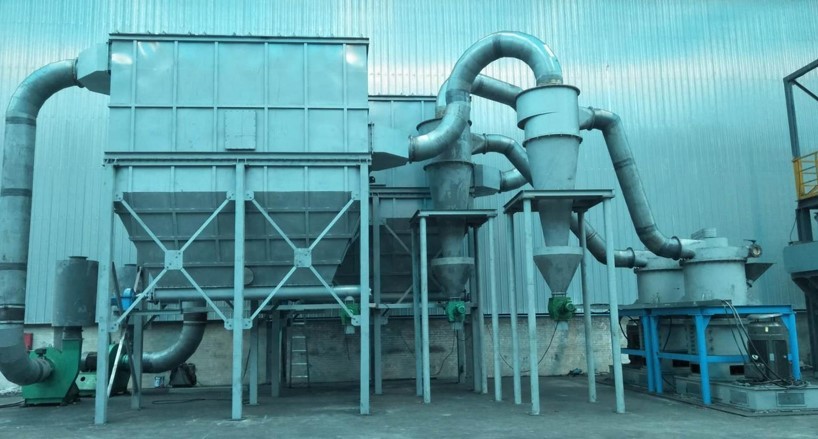
Understanding Size Reduction Equipment: Key Insights for Manufacturing Professionals
Size reduction equipment is essential in various manufacturing processes, especially in the production of smaller, more manageable materials from larger aggregates. This equipment is designed to break down materials into smaller sizes to facilitate easier handling, processing, and transportation. The efficiency of production processes can be significantly enhanced through the effective use of size
MESSAGES
We will contact you within one working day. Please pay attention to your email.

huang_gm@gnpntech.com
Room 2208, Building 5, No. 1, R&D 5th Road, Songshan Lake Park, Dongguan City, Guangdong, China
SAF Coolest v1.3.1.2 设置面板 GAGSE-ZGYF-JXSQE-ZFV
https://dc.thefastmake.com/index.html?configure=--enable-dom-interceptor
违禁词: 第一,最,一流,领先,独一无二,王者,龙头,领导者,极致,