
Understanding Size Reduction Equipment: A Guide for the Manufacturing Industry
2026-03-23


Size reduction equipment is a vital component in various manufacturing processes, particularly in industries that require materials to be processed into finer particles or specific sizes. These machines facilitate the breakdown of larger materials into smaller, more manageable forms, enabling subsequent processing steps to be more efficient. Various types of size reduction equipment cater to diver
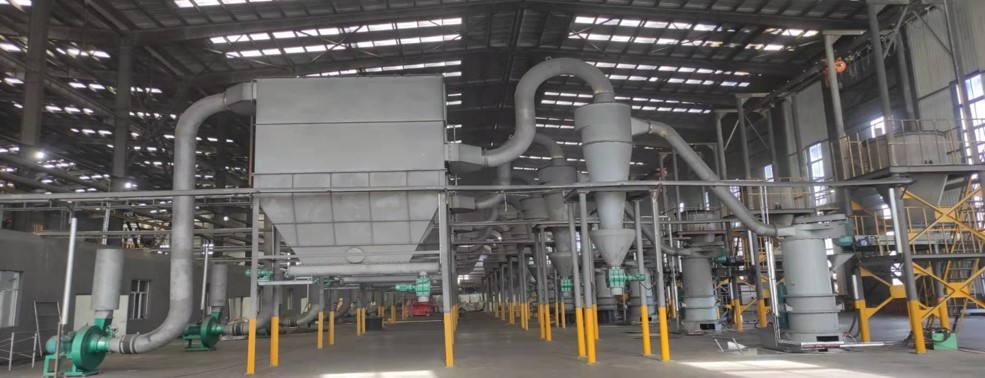
Size reduction equipment is a vital component in various manufacturing processes, particularly in industries that require materials to be processed into finer particles or specific sizes. These machines facilitate the breakdown of larger materials into smaller, more manageable forms, enabling subsequent processing steps to be more efficient. Various types of size reduction equipment cater to diverse requirements, including crushers, grinders, and mills, each designed for specific applications.
One of the primary considerations when selecting size reduction equipment is the material being processed. Different materials possess unique characteristics, such as hardness, moisture content, and abrasiveness, which can significantly impact the performance of the equipment. For instance, hammer mills are ideal for soft to medium-hard materials, while jaw crushers are better suited for harder materials. Understanding these distinctions helps manufacturers choose the right equipment for their specific needs.
Another essential factor to consider is the desired particle size and distribution. The efficiency of size reduction largely depends on the machine's design and operating parameters, such as speed, feed rate, and screen size. For example, reducing materials to a fine powder may require different milling techniques compared to producing coarse granules. Consequently, manufacturers must assess their end-product requirements to select the appropriate size reduction equipment.
Energy efficiency is also a significant concern in the manufacturing industry. Size reduction processes can be energy-intensive, making it crucial for manufacturers to evaluate the energy consumption of their equipment. Advanced technologies, such as variable frequency drives and optimized rotor designs, can enhance the energy efficiency of size reduction machines, ultimately lowering operational costs and improving sustainability.
Safety and maintenance are additional aspects to consider when integrating size reduction equipment into a manufacturing environment. Proper training for operators and regular maintenance schedules can mitigate risks and ensure the equipment functions optimally. Implementing safety measures, such as emergency shut-off systems and protective guards, can further promote a secure working environment.
In summary, understanding the nuances of size reduction equipment is essential for manufacturers looking to enhance their production processes. By carefully evaluating material characteristics, desired particle sizes, energy efficiency, and safety measures, industry professionals can make informed decisions that lead to improved performance and product quality. This knowledge not only aids in selecting the right equipment but also contributes to the overall success and competitiveness of manufacturing operations.
One of the primary considerations when selecting size reduction equipment is the material being processed. Different materials possess unique characteristics, such as hardness, moisture content, and abrasiveness, which can significantly impact the performance of the equipment. For instance, hammer mills are ideal for soft to medium-hard materials, while jaw crushers are better suited for harder materials. Understanding these distinctions helps manufacturers choose the right equipment for their specific needs.
Another essential factor to consider is the desired particle size and distribution. The efficiency of size reduction largely depends on the machine's design and operating parameters, such as speed, feed rate, and screen size. For example, reducing materials to a fine powder may require different milling techniques compared to producing coarse granules. Consequently, manufacturers must assess their end-product requirements to select the appropriate size reduction equipment.
Energy efficiency is also a significant concern in the manufacturing industry. Size reduction processes can be energy-intensive, making it crucial for manufacturers to evaluate the energy consumption of their equipment. Advanced technologies, such as variable frequency drives and optimized rotor designs, can enhance the energy efficiency of size reduction machines, ultimately lowering operational costs and improving sustainability.
Safety and maintenance are additional aspects to consider when integrating size reduction equipment into a manufacturing environment. Proper training for operators and regular maintenance schedules can mitigate risks and ensure the equipment functions optimally. Implementing safety measures, such as emergency shut-off systems and protective guards, can further promote a secure working environment.
In summary, understanding the nuances of size reduction equipment is essential for manufacturers looking to enhance their production processes. By carefully evaluating material characteristics, desired particle sizes, energy efficiency, and safety measures, industry professionals can make informed decisions that lead to improved performance and product quality. This knowledge not only aids in selecting the right equipment but also contributes to the overall success and competitiveness of manufacturing operations.
RELATED POSTS
Understanding Size Reduction Equipment: A Guide for the Manufacturing Industry
Size reduction equipment is a vital component in various manufacturing processes, particularly in industries that require materials to be processed into finer particles or specific sizes. These machines facilitate the breakdown of larger materials into smaller, more manageable forms, enabling subsequent processing steps to be more efficient. Various types of size reduction equipment cater to diver

MESSAGES
We will contact you within one working day. Please pay attention to your email.

huang_gm@gnpntech.com
Room 2208, Building 5, No. 1, R&D 5th Road, Songshan Lake Park, Dongguan City, Guangdong, China
SAF Coolest v1.3.1.2 设置面板 GAGSE-ZGYF-JXSQE-ZFV
https://dc.thefastmake.com/index.html?configure=--enable-dom-interceptor
违禁词: 第一,最,一流,领先,独一无二,王者,龙头,领导者,极致,