
Why Your Battery Production Line Needs Advanced Auxiliary Systems for Enhanced Efficiency
2026-02-19


Why Your Battery Production Line Needs Advanced Auxiliary Systems
In the fast-evolving landscape of battery manufacturing, staying ahead of the competition requires not just the latest machinery, but also the integration of advanced auxiliary systems. These systems play a pivotal role in enhancing efficiency, improving product quality, and ensuring the sustainability of your production line. This article delves into the multifaceted benefits of incorporating state-of-the-art auxiliary systems in your battery production process.
Understanding Auxiliary Systems in Battery Manufacturing
Auxiliary systems encompass a range of technologies and processes designed to support the primary production activities within a battery manufacturing facility. These systems include everything from material handling and automation technologies to environmental controls and testing equipment. Their primary purpose is to optimize the production process, reduce downtime, and enhance the overall quality of the final product.
The Importance of Process Optimization in Battery Production
With the growing demand for batteries, particularly for electric vehicles and renewable energy storage, optimizing the production process has never been more critical. Advanced auxiliary systems contribute significantly to this optimization through:
- Increased Automation: Automation technologies reduce manual labor, leading to faster production rates and fewer human errors.
- Real-Time Monitoring: Advanced systems allow for continuous oversight of the production process, enabling immediate adjustments to maintain optimal conditions.
- Data-Driven Insights: Collecting data from auxiliary systems can help identify inefficiencies and areas for improvement, guiding future enhancements.
Key Auxiliary Systems for Battery Production Lines
1. Material Handling Systems
Efficient material handling is crucial in battery manufacturing. Automated guided vehicles (AGVs), conveyors, and robotic arms streamline the transport of raw materials and finished products. By reducing manual handling and ensuring consistent flow, these systems minimize production delays and enhance safety.
2. Environmental Control Systems
Battery production requires stringent control over environmental conditions such as temperature, humidity, and cleanliness. Advanced HVAC systems and cleanroom technologies are vital for maintaining these conditions, which directly impact product quality and safety. Implementing such systems not only ensures compliance with industry standards but also enhances the durability of the batteries produced.
3. Quality Control and Testing Systems
Integrating sophisticated quality control systems is essential for ensuring that every battery produced meets high standards of performance. Automated testing equipment can evaluate the electrical, thermal, and mechanical properties of batteries, providing real-time feedback and reducing the likelihood of defective products reaching the market.
4. Energy Management Systems
As energy consumption in battery production can be significant, implementing advanced energy management systems is increasingly important. These systems monitor energy usage, identify inefficiencies, and optimize consumption patterns, ultimately reducing operational costs and environmental impact.
Benefits of Advanced Auxiliary Systems
1. Enhanced Production Efficiency
One of the most significant advantages of advanced auxiliary systems is their ability to enhance production efficiency. By automating key processes and optimizing workflows, manufacturers can achieve higher output rates with lower operational costs. Rapid material transport, rigorous environmental controls, and precise quality testing all contribute to a streamlined production process.
2. Improved Product Quality
Quality assurance is paramount in battery manufacturing. Advanced quality control systems and automated testing ensure that all products meet or exceed industry standards. This not only minimizes the chance of defects but also builds consumer trust in the reliability of your batteries.
3. Increased Flexibility and Scalability
In a market that demands flexibility, advanced auxiliary systems allow manufacturers to adapt quickly to changing production needs. Whether it's scaling up for increased demand or pivoting to new battery technologies, these systems provide the versatility required to stay competitive.
4. Cost Reduction
While the initial investment in advanced auxiliary systems may be substantial, the long-term savings often outweigh these costs. Reductions in labor costs, material waste, and energy consumption, along with improved productivity, contribute to a lower overall cost per unit produced.
Real-World Applications of Advanced Auxiliary Systems
Case Study: Leading Battery Manufacturer
Consider the case of a leading battery manufacturer that recently integrated advanced auxiliary systems into its production line. By implementing an automated material handling system and a state-of-the-art environmental control system, the company reported a 30% increase in production efficiency and a 25% reduction in defective products. Such real-world examples highlight the tangible benefits of embracing advanced technology in battery manufacturing.
Emerging Technologies in Auxiliary Systems
As technology continues to advance, new solutions are emerging. Innovations such as machine learning algorithms for predictive maintenance and Internet of Things (IoT) connectivity for real-time performance monitoring are set to further revolutionize battery production. Keeping an eye on these trends will be essential for manufacturers looking to maintain a competitive edge.
Challenges in Implementing Advanced Auxiliary Systems
1. High Initial Costs
The upfront investment required for advanced auxiliary systems can be a significant barrier for many manufacturers. While these systems provide long-term savings, the initial costs can deter companies from making the switch.
2. Staff Training and Adaptation
New technologies often require specialized training for staff. Manufacturers must invest in training programs to ensure that employees are equipped to operate and maintain advanced systems effectively.
3. Integration with Existing Systems
Integrating new auxiliary systems with legacy equipment can pose challenges. Manufacturers need to carefully plan and execute the integration process to avoid disruptions in production.
Future Trends in Battery Production Auxiliary Systems
1. Increased Focus on Sustainability
As the industry shifts towards more sustainable practices, future auxiliary systems will likely emphasize energy efficiency and waste reduction. Technologies that optimize resource use and minimize environmental impact will become more prevalent.
2. Greater Use of Artificial Intelligence
Artificial intelligence (AI) is set to play a larger role in battery production. AI-driven data analytics can provide insights into production inefficiencies, predictive maintenance schedules, and quality control processes, enhancing overall operational effectiveness.
FAQs About Advanced Auxiliary Systems in Battery Production
1. What are auxiliary systems in battery production?
Auxiliary systems encompass technologies and processes that support the primary manufacturing activities, including material handling, environmental controls, and quality testing.
2. How do advanced auxiliary systems improve efficiency?
These systems automate key processes, reduce manual labor, and facilitate real-time monitoring, all of which contribute to streamlined operations and increased production rates.
3. Are there any challenges in implementing these systems?
Yes, challenges include high initial costs, the need for staff training, and potential integration issues with existing systems.
4. What are the long-term benefits of using advanced auxiliary systems?
Long-term benefits include improved product quality, reduced operational costs, increased flexibility, and enhanced production efficiency.
5. How can manufacturers keep up with emerging technologies?
Manufacturers should stay informed about industry trends, invest in ongoing employee training, and be willing to adapt their production processes to incorporate new technologies.
Conclusion
The integration of advanced auxiliary systems in battery production lines is not just a trend; it is an essential component for manufacturers aiming to thrive in a competitive market. By enhancing efficiency, ensuring quality, and facilitating flexibility, these systems empower manufacturers to meet the increasing demands of the battery industry. As technology continues to evolve, embracing these innovations will be key to maintaining a competitive edge and achieving long-term success in battery manufacturing.
RELATED POSTS
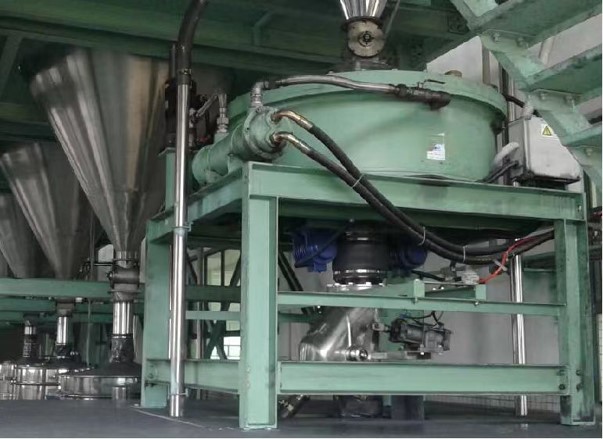
Why Your Battery Production Line Needs Advanced Auxiliary Systems for Enhanced Efficiency

MESSAGES
We will contact you within one working day. Please pay attention to your email.

huang_gm@gnpntech.com
Room 2208, Building 5, No. 1, R&D 5th Road, Songshan Lake Park, Dongguan City, Guangdong, China
SAF Coolest v1.3.1.2 设置面板 GAGSE-ZGYF-JXSQE-ZFV
https://dc.thefastmake.com/index.html?configure=--enable-dom-interceptor