
The Importance of Stacking Machines in Material Handling Processes
2026-02-05


The Importance of Stacking Machines in Material Handling Processes
Introduction to Stacking Machines
In the fast-paced world of manufacturing and logistics, efficient material handling is crucial. Stacking machines have emerged as essential tools that optimize the way materials are stored and transported. By automating the stacking process, these machines significantly enhance operational efficien
The Importance of Stacking Machines in Material Handling Processes
Introduction to Stacking Machines
In the fast-paced world of manufacturing and logistics, efficient material handling is crucial. Stacking machines have emerged as essential tools that optimize the way materials are stored and transported. By automating the stacking process, these machines significantly enhance operational efficiency, reduce labor costs, and improve safety in the workplace.
Understanding Material Handling Processes
Material handling encompasses the movement, protection, storage, and control of materials throughout the manufacturing and distribution process. Effective material handling is vital for minimizing costs and maximizing productivity. To achieve these goals, industries are increasingly turning to advanced technologies, including stacking machines, which streamline these processes.
What Are Stacking Machines?
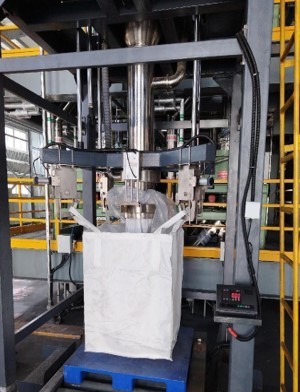
Stacking machines are specialized equipment designed to lift, stack, and organize materials automatically. They can handle various types of materials, including pallets, boxes, and bulk items, allowing for efficient storage and retrieval. With a variety of models available, stacking machines can cater to different industry needs, enhancing both workflow and safety.
Types of Stacking Machines
Several types of stacking machines are available, each tailored to specific material handling needs:
1. Automatic Stacking Machines
These machines operate autonomously, using sensors and automated systems to stack materials with minimal human intervention. They improve overall efficiency and are ideal for high-volume production environments.
2. Semi-Automatic Stacking Machines
Semi-automatic machines require some manual input but significantly reduce labor costs and time compared to traditional methods. They provide a balance between automation and human oversight.
3. Manual Stacking Machines
While less common in modern operations, manual stacking machines still hold relevance in smaller businesses or specific applications where full automation is not feasible.
The Benefits of Using Stacking Machines
Integrating stacking machines into material handling processes offers numerous advantages:
1. Enhanced Efficiency
Stacking machines accelerate the stacking and unstacking of materials, minimizing downtime and increasing throughput. This efficiency allows businesses to meet growing customer demands more effectively.
2. Improved Safety
By automating the stacking process, these machines reduce the risk of workplace injuries associated with manual lifting and stacking. Employees can focus on other critical tasks, creating a safer work environment.
3. Space Optimization
Stacking machines maximize vertical storage space, allowing businesses to store more materials in a smaller footprint. This optimization is essential in warehouses where space is at a premium.
4. Cost Reduction
Although the initial investment in stacking machines may be significant, the long-term savings on labor costs, reduced damage to materials, and improved efficiency contribute to lower operational costs.
5. Consistency and Quality
Automated stacking machines ensure consistent stacking patterns, which contributes to the overall quality and stability of stored materials. This consistency is crucial for maintaining product integrity during storage and transport.
Applications of Stacking Machines Across Industries
Stacking machines are versatile and find applications in numerous industries, including:
1. Warehousing and Distribution
In warehouses, stacking machines streamline the storage and retrieval of products, ensuring efficient inventory management and faster order fulfillment.
2. Food and Beverage Processing
These machines help in the handling of bulk ingredients and finished products, ensuring that the stacking process meets safety and hygiene standards.
3. Manufacturing
In manufacturing plants, stacking machines are vital for managing raw materials and finished goods, optimizing production lines, and reducing lead times.
4. Construction
In the construction industry, stacking machines facilitate the efficient handling of heavy materials, such as bricks and steel, improving workflow on job sites.
5. Automotive Industry
Stacking machines play a significant role in automotive manufacturing by optimizing the storage and handling of parts, reducing assembly line interruptions.
Implementing Stacking Machines: Key Considerations
When integrating stacking machines into your material handling processes, several key factors should be considered:
1. Assessing Your Needs
Evaluate your specific material handling requirements, including the types of materials you handle, workload, and available space. This assessment will guide you in selecting the right stacking machine for your operations.
2. Choosing the Right Type of Machine
Different machines have varying capabilities and features. Consider factors such as automation level, load capacity, and compatibility with existing systems to ensure optimal performance.
3. Training and Safety
Proper training for employees operating stacking machines is crucial. Ensuring that all personnel are aware of safety protocols and machine operation can significantly reduce the risk of accidents.
4. Maintenance and Upkeep
Regular maintenance of stacking machines is essential for ensuring their longevity and performance. Establishing a maintenance schedule will help prevent unexpected downtime and costly repairs.
Future Trends in Stacking Machines
As technology continues to evolve, stacking machines are becoming increasingly sophisticated. Here are some trends shaping the future of stacking machines:
1. Integration with IoT
The Internet of Things (IoT) is revolutionizing the way stacking machines operate. Smart stacking machines equipped with IoT capabilities can monitor performance, predict maintenance needs, and provide valuable data for optimization.
2. Enhanced Automation
Advancements in robotics and automation technology are leading to more efficient stacking solutions. Fully automated systems are expected to become the norm as industries continue to seek ways to reduce labor costs and improve efficiency.
3. Customization and Flexibility
As businesses face ever-changing demands, the ability to customize and adapt stacking machines to specific applications will become increasingly important. Flexible systems that can handle various materials and processes will gain traction.
4. Sustainability and Eco-Friendliness
With a growing emphasis on sustainability, stacking machines that utilize energy-efficient technologies and materials will likely see increased demand. Companies are looking for ways to reduce their carbon footprint while maintaining productivity.
FAQs About Stacking Machines
1. What types of materials can stacking machines handle?
Stacking machines can handle a wide range of materials, including pallets, boxes, and bulk items, making them versatile for various industries.
2. How do stacking machines improve safety in the workplace?
By automating the stacking process, stacking machines reduce the need for manual lifting, which minimizes the risk of workplace injuries.
3. Are stacking machines suitable for small businesses?
Yes, stacking machines come in various sizes and capabilities, making them suitable for both large and small businesses.
4. What is the average lifespan of a stacking machine?
With proper maintenance, stacking machines can last for many years, often exceeding a decade, depending on usage and care.
5. How much do stacking machines typically cost?
The cost of stacking machines varies widely based on type, capabilities, and brand, ranging from several thousand to tens of thousands of dollars.
Conclusion
Stacking machines play an indispensable role in modern material handling processes, offering significant benefits such as enhanced efficiency, improved safety, and cost reduction. As industries continue to evolve, the integration of advanced technologies will further optimize the capabilities of stacking machines. By understanding their importance and implementing them effectively, businesses can streamline operations, maximize productivity, and maintain a competitive edge in the market. Investing in stacking machines is no longer just an option; it is a necessity for those seeking success in today's fast-paced industrial landscape.
RELATED POSTS
The Importance of Stacking Machines in Material Handling Processes
The Importance of Stacking Machines in Material Handling Processes
Introduction to Stacking Machines
In the fast-paced world of manufacturing and logistics, efficient material handling is crucial. Stacking machines have emerged as essential tools that optimize the way materials are stored and transported. By automating the stacking process, these machines significantly enhance operational efficien
MESSAGES
We will contact you within one working day. Please pay attention to your email.

huang_gm@gnpntech.com
Room 2208, Building 5, No. 1, R&D 5th Road, Songshan Lake Park, Dongguan City, Guangdong, China
SAF Coolest v1.3.1.2 设置面板 GAGSE-ZGYF-JXSQE-ZFV
https://dc.thefastmake.com/index.html?configure=--enable-dom-interceptor
违禁词: 第一,最,一流,领先,独一无二,王者,龙头,领导者,极致,