
Understanding the Benefits and Applications of VC Mixers in Manufacturing
2026-02-20


In the realm of manufacturing, efficiency and product quality are paramount, and the VC mixer emerges as a pivotal tool to meet these demands. VC mixers, or vacuum mixers, play an essential role in the processing of various materials, particularly in industries that require precise mixing and homogenization of substances. These mixers operate under vacuum conditions, which significantly reduce the
In the realm of manufacturing, efficiency and product quality are paramount, and the VC mixer emerges as a pivotal tool to meet these demands. VC mixers, or vacuum mixers, play an essential role in the processing of various materials, particularly in industries that require precise mixing and homogenization of substances. These mixers operate under vacuum conditions, which significantly reduce the presence of air in the mixture. This feature is crucial for various applications, including the production of adhesives, coatings, and other viscous materials.
One of the primary advantages of using a VC mixer is its ability to ensure a homogeneous mix. In traditional mixing processes, air can become trapped within the materials, leading to inconsistent product quality. However, by employing a vacuum environment, VC mixers effectively minimize air entrapment, resulting in a more uniform and high-quality end product. This consistency is particularly beneficial in industries such as paint and coatings, where uniform color and texture are critical.
Additionally, VC mixers are remarkably versatile. They can handle a wide range of materials, from liquids to pastes, making them suitable for various manufacturing processes. This adaptability allows manufacturers to streamline their operations by using a single type of mixer for multiple applications, thereby reducing equipment costs and floor space requirements.
Another significant benefit of VC mixers is their ability to accelerate the mixing process. The vacuum environment not only increases the efficiency of the mixing action but also enhances the incorporation of additives and other components. This time-saving aspect is vital in a fast-paced manufacturing environment, where meeting tight deadlines is often a priority.
Moreover, VC mixers contribute to improved safety in the workplace. The vacuum operation minimizes the risk of dust and fume generation, creating a healthier environment for operators. Many modern VC mixers also come equipped with advanced monitoring and control systems, allowing for precise adjustments to the mixing parameters, thereby enhancing both safety and productivity.
In conclusion, the VC mixer is a valuable asset in the manufacturing sector, offering numerous benefits such as enhanced product consistency, versatility, speed, and safety. As industries continue to evolve and the demand for high-quality products increases, investing in efficient mixing technologies like VC mixers becomes imperative for manufacturers seeking to maintain a competitive edge in the market. Whether you're involved in producing adhesives, coatings, or other viscous materials, exploring the capabilities of VC mixers can lead to significant improvements in your manufacturing processes.
One of the primary advantages of using a VC mixer is its ability to ensure a homogeneous mix. In traditional mixing processes, air can become trapped within the materials, leading to inconsistent product quality. However, by employing a vacuum environment, VC mixers effectively minimize air entrapment, resulting in a more uniform and high-quality end product. This consistency is particularly beneficial in industries such as paint and coatings, where uniform color and texture are critical.
Additionally, VC mixers are remarkably versatile. They can handle a wide range of materials, from liquids to pastes, making them suitable for various manufacturing processes. This adaptability allows manufacturers to streamline their operations by using a single type of mixer for multiple applications, thereby reducing equipment costs and floor space requirements.
Another significant benefit of VC mixers is their ability to accelerate the mixing process. The vacuum environment not only increases the efficiency of the mixing action but also enhances the incorporation of additives and other components. This time-saving aspect is vital in a fast-paced manufacturing environment, where meeting tight deadlines is often a priority.
Moreover, VC mixers contribute to improved safety in the workplace. The vacuum operation minimizes the risk of dust and fume generation, creating a healthier environment for operators. Many modern VC mixers also come equipped with advanced monitoring and control systems, allowing for precise adjustments to the mixing parameters, thereby enhancing both safety and productivity.
In conclusion, the VC mixer is a valuable asset in the manufacturing sector, offering numerous benefits such as enhanced product consistency, versatility, speed, and safety. As industries continue to evolve and the demand for high-quality products increases, investing in efficient mixing technologies like VC mixers becomes imperative for manufacturers seeking to maintain a competitive edge in the market. Whether you're involved in producing adhesives, coatings, or other viscous materials, exploring the capabilities of VC mixers can lead to significant improvements in your manufacturing processes.
RELATED POSTS
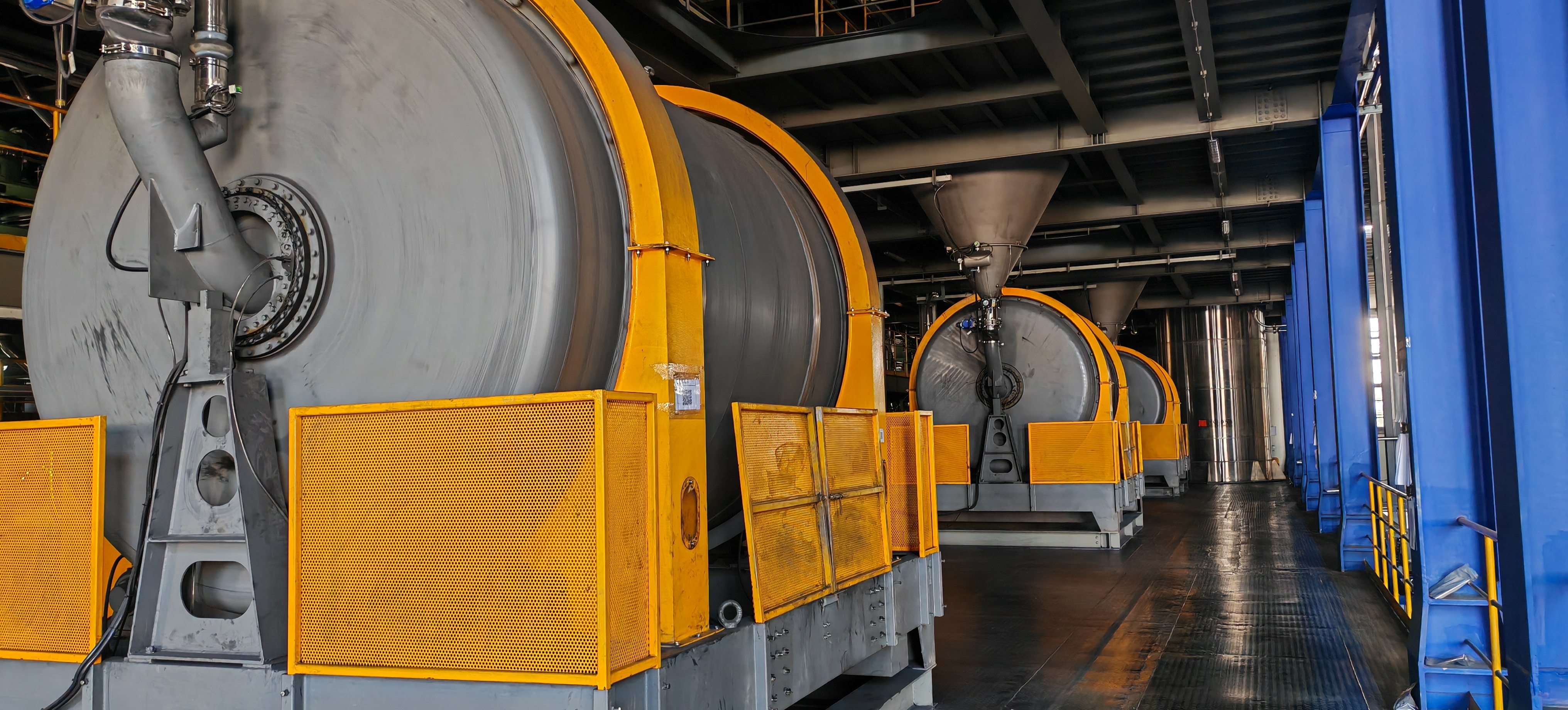
Understanding the Benefits and Applications of VC Mixers in Manufacturing
In the realm of manufacturing, efficiency and product quality are paramount, and the VC mixer emerges as a pivotal tool to meet these demands. VC mixers, or vacuum mixers, play an essential role in the processing of various materials, particularly in industries that require precise mixing and homogenization of substances. These mixers operate under vacuum conditions, which significantly reduce the

MESSAGES
We will contact you within one working day. Please pay attention to your email.

huang_gm@gnpntech.com
Room 2208, Building 5, No. 1, R&D 5th Road, Songshan Lake Park, Dongguan City, Guangdong, China
SAF Coolest v1.3.1.2 设置面板 GAGSE-ZGYF-JXSQE-ZFV
https://dc.thefastmake.com/index.html?configure=--enable-dom-interceptor
违禁词: 第一,最,一流,领先,独一无二,王者,龙头,领导者,极致,